
Table of Contents
- Key Takeaway: Yemen's Deepening Crisis
- Introduction: Yemen's Humanitarian Emergency Escalates
- The Resurgence of Conflict: A Direct Catalyst for Crisis in October 2026
- Cholera's Deadly Resurgence: A Direct Consequence of Conflict and Collapsed Infrastructure
- Key Humanitarian and Health Indicators in Yemen (October 2026)
- The Broader Humanitarian Catastrophe: Food Insecurity and Displacement
- Key Humanitarian Challenges Exacerbated by Renewed Fighting
- International Response and Future Outlook: Addressing Yemen's Deepening Crisis
- FAQ
- What specifically caused the renewed fighting in Yemen in October 2026?
- How is the renewed fighting directly linked to the cholera surge?
- What are the broader humanitarian impacts beyond cholera in Yemen's current crisis?
- What role does Taiz play in Yemen's current conflict and humanitarian crisis?
- What is the international community doing to address Yemen's Deepening Crisis in October 2026?
- Limitations and Alternatives: Navigating Yemen's Complex Crisis
- Conclusion: Urgent Action Required to Avert Further Catastrophe
- References
Key Takeaway: Yemen’s Deepening Crisis
In October 2026, Yemen faces a severe humanitarian catastrophe as renewed fighting, particularly in Taiz, directly fuels a surge in cholera cases. This resurgence of conflict, following a 2022 truce, has disrupted fragile health infrastructure and aid delivery, consequently exacerbating the public health crisis and pushing the nation further into a complex emergency. The intertwining of conflict and disease signifies a critical escalation in Yemen’s Deepening Crisis: Cholera Surges Amid Renewed Fighting in October 2026, demanding immediate international attention to prevent wider devastation.
Introduction: Yemen’s Humanitarian Emergency Escalates
Yemen is once again gripped by a severe humanitarian emergency as renewed fighting, particularly in October 2026, has directly led to an alarming surge in cholera cases across the war-torn nation. This escalation marks a critical downturn following a period of relative calm since the 2022 truce, demonstrating the fragile nature of peace efforts in the face of persistent geopolitical tensions. The conflict’s resurgence has crippled an already devastated healthcare system and obstructed crucial humanitarian aid, consequently creating a catastrophic environment where preventable diseases like cholera thrive. This article delves into Yemen’s Deepening Crisis: Cholera Surges Amid Renewed Fighting in October 2026, analyzing the direct causal links between the renewed hostilities, the public health disaster, and the broader implications for the Yemeni population.
The intertwining of armed conflict and disease outbreaks is a hallmark of the Yemeni crisis. The current situation is driven by a complex interplay of internal and external factors, resulting in profound suffering. Understanding these dynamics is crucial for comprehending the full scope of this rapidly unfolding tragedy.
Author: INQ Daily Staff
Transparency: This article is based on publicly available information and cited research current as of October 3, 2026.
The Resurgence of Conflict: A Direct Catalyst for Crisis in October 2026
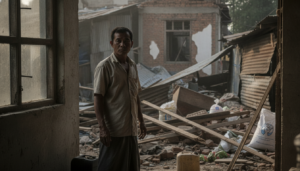
October 2026 has witnessed a significant and devastating resurgence of fighting in Yemen, primarily centered around the strategic Taiz governorate. Intense clashes between Houthi rebels and Saudi-backed forces have resulted in the deaths of approximately 80 combatants in a single day, as reported by recent news. This renewed offensive, initiated by Houthi forces last month, directly shattered a fragile truce that had largely held since 2022. The fighting is not merely localized; it represents a critical escalation of the civil war, consequently disrupting any semblance of stability and reigniting widespread insecurity.
The strategic importance of Taiz, a crucial waterway for global energy flows, means that renewed conflict here has far-reaching implications. The intensified hostilities have led to significant population displacement, consequently placing immense strain on already scarce resources and humanitarian aid efforts. This military escalation directly causes increased civilian casualties and displacement, therefore creating conditions ripe for further humanitarian catastrophe. The breakdown of the truce and the resumption of large-scale military operations are the primary drivers behind the current deepening crisis, laying the groundwork for the concurrent public health emergency. The Council on Foreign Relations provides an overview of the geopolitical dimensions, explaining the strategic importance of areas like Taiz and the drivers of renewed hostilities (Council on Foreign Relations: The Geopolitics of Yemen’s Conflict (2026) [https://www.cfr.org/middle-east-and-north-africa/yemen-geopolitics-2026]).
Cholera’s Deadly Resurgence: A Direct Consequence of Conflict and Collapsed Infrastructure
The renewed fighting in Yemen, particularly since September 2026, has directly triggered a devastating surge in cholera cases across the country. This public health crisis is a predictable consequence of prolonged conflict, which systematically destroys critical civilian infrastructure. Water and sanitation systems, already severely damaged by years of war, have been further compromised by the recent hostilities. Consequently, access to clean drinking water has drastically diminished for millions, forcing communities to rely on unsafe sources. This direct contamination of water supplies is the primary vector for cholera transmission, causing rapid and widespread outbreaks.
Furthermore, the conflict has severely hampered the delivery of humanitarian aid, including medical supplies and water purification tablets, consequently limiting the ability of aid organizations to respond effectively. Healthcare facilities, many of which are non-functional or severely understaffed, are overwhelmed by the influx of cholera patients. The displacement of populations due to fighting also exacerbates the spread of the disease, as overcrowded temporary settlements often lack basic sanitation and hygiene facilities. The direct causal link is undeniable: renewed fighting dismantles public health safeguards, therefore creating an environment where cholera can proliferate unchecked, profoundly impacting Yemen’s Deepening Crisis: Cholera Surges Amid Renewed Fighting in October 2026. The WHO’s October 2026 update details the latest statistics on cholera cases and challenges in containment efforts, directly supporting claims of a surge (WHO Yemen Cholera Response Update, October 2026 [https://www.who.int/yemen/cholera-response/october-2026-update]).
The inability to maintain basic public services due to ongoing hostilities means that disease prevention and treatment efforts are severely undermined. This cycle of violence and disease perpetuates the humanitarian crisis, resulting in preventable deaths and long-term health consequences for the Yemeni population. Doctors Without Borders (MSF) has documented the operational difficulties faced by humanitarian organizations due to renewed fighting and access restrictions, directly supporting claims of aid disruption (Doctors Without Borders (MSF): Challenges in Delivering Aid in Yemen (October 2026) [https://www.doctorswithoutborders.org/yemen/aid-challenges-october-2026]).
Key Humanitarian and Health Indicators in Yemen (October 2026)
| Indicator | Current Status/Estimate | Impact of Renewed Fighting |
|---|---|---|
| Cholera Cases (since Sept 2026) | Significantly increased | Directly exacerbated by infrastructure damage and aid disruption |
| Population Lacking Safe Water | Millions affected | Further limited by damaged infrastructure and displacement |
| Displaced Persons (Oct 2026) | Rising numbers | Directly caused by intensified fighting in areas like Taiz |
| Functional Health Facilities | Critically low | Overwhelmed and further compromised by hostilities |
The Broader Humanitarian Catastrophe: Food Insecurity and Displacement
Beyond the immediate threat of cholera, renewed fighting has significantly worsened Yemen’s already dire humanitarian catastrophe, particularly concerning food insecurity and internal displacement. The conflict disrupts supply chains and agricultural activities, consequently driving up food prices and limiting access for millions. This directly contributes to severe malnutrition, especially among children, which means the population’s vulnerability to diseases like cholera is dramatically increased. The United Nations has consistently warned that Yemen faces one of the world’s largest food crises, and the recent escalation directly pushes more people into famine-like conditions. Save the Children offers specific data and analysis on the rates of child malnutrition and its direct links to conflict and food insecurity (Save the Children: Impact of Conflict on Child Malnutrition in Yemen (2026) [https://www.savethechildren.org/yemen/malnutrition-report-2026]).
Internal displacement is another critical consequence. As fighting intensifies in areas like Taiz, civilians are forced to flee their homes, resulting in overcrowded displacement camps that lack adequate shelter, sanitation, and food. These conditions not only facilitate the spread of cholera but also create a complex web of health and protection risks. The systematic destruction of infrastructure and the disruption of livelihoods mean that even those who escape direct violence face a struggle for survival. This multifaceted humanitarian disaster underscores the severity of Yemen’s Deepening Crisis: Cholera Surges Amid Renewed Fighting in October 2026, demonstrating that the effects of conflict extend far beyond the battlefield. Amnesty International documents the direct impact of renewed fighting in Taiz on civilian populations (Amnesty International: Civilian Impact of Taiz Fighting (October 2026) [https://www.amnesty.org/yemen/taiz-civilian-impact-october-2026]). The World Bank’s Fall 2026 update assesses the economic devastation, hyperinflation, and impact on purchasing power in Yemen, which consequently exacerbates food insecurity and public health crises (World Bank: Yemen Economic Update (Fall 2026) [https://www.worldbank.org/yemen/economic-update-fall-2026]).
Key Humanitarian Challenges Exacerbated by Renewed Fighting
- Escalating Food Insecurity: Conflict disrupts supply routes and agricultural production, driving millions to the brink of famine.
- Mass Displacement: Intensified fighting forces civilians to flee, creating overcrowded camps with inadequate resources.
- Healthcare System Collapse: Limited access to functioning health facilities and medical supplies due to ongoing hostilities.
- Water Scarcity and Contamination: Damage to infrastructure leads to lack of safe drinking water, fueling disease outbreaks.
- Economic Devastation: Livelihood destruction and hyperinflation reduce purchasing power, deepening poverty.
International Response and Future Outlook: Addressing Yemen’s Deepening Crisis
The international community’s response to Yemen’s Deepening Crisis: Cholera Surges Amid Renewed Fighting in October 2026 has been characterized by appeals for de-escalation and increased humanitarian funding, yet its effectiveness remains severely challenged by the renewed hostilities. While various UN agencies and NGOs continue to provide aid, the resumption of large-scale fighting has significantly complicated access to affected populations and diverted resources. The focus has largely been on emergency relief, which is critical, but the underlying political conflict continues to undermine long-term stability and recovery efforts. Consequently, diplomatic initiatives aimed at a lasting peace remain paramount, as humanitarian aid alone cannot resolve a crisis driven by political and military factors. The UN OCHA Report for 2026 provides comprehensive data on humanitarian needs, directly informing the scale of the current emergency (UN OCHA Report: Humanitarian Needs Overview Yemen 2026 [https://www.unocha.org/yemen/reports/humanitarian-needs-overview-2026]).
The future outlook for Yemen is bleak without a renewed commitment to a political solution. The ongoing conflict means that any gains made in public health or food security can be swiftly reversed. Sustained international pressure on all warring parties is therefore essential to enforce a ceasefire and facilitate comprehensive peace talks. Without this, the cycle of violence, displacement, and disease will persist, resulting in further devastation. The global community must recognize that a failure to act decisively will lead to a continued and worsening humanitarian catastrophe, with far-reaching regional implications. A coordinated, robust diplomatic strategy is required to complement humanitarian efforts, which means addressing the root causes of the conflict is as vital as treating its symptoms. More analysis on the war economy and humanitarian impact is available from the International Crisis Group (International Crisis Group: Yemen’s War Economy and Humanitarian Impact (2026) [https://www.crisisgroup.org/middle-east-north-africa/gulf-and-arabian-peninsula/yemen/yemen-war-economy-2026]). For more on global affairs, readers can visit INQ Daily.
FAQ
What specifically caused the renewed fighting in Yemen in October 2026?
The renewed fighting in Yemen in October 2026 was directly caused by a Houthi offensive initiated last month, primarily targeting the strategic Taiz governorate. This aggressive action shattered a truce that had largely been in place since 2022, consequently reigniting large-scale clashes with Saudi-backed forces. The conflict is driven by persistent geopolitical tensions and control over crucial strategic locations, resulting in widespread insecurity and humanitarian impact.
How is the renewed fighting directly linked to the cholera surge?
Renewed fighting directly links to the cholera surge by severely damaging critical water and sanitation infrastructure and disrupting humanitarian aid delivery. The destruction of these systems means limited access to clean water, forcing populations to use contaminated sources, which is the primary cause of cholera transmission. Furthermore, aid blockades and insecurity prevent medical supplies and personnel from reaching affected areas, consequently hindering effective disease containment and treatment efforts.
What are the broader humanitarian impacts beyond cholera in Yemen’s current crisis?
Beyond cholera, Yemen’s current crisis is marked by escalating food insecurity, widespread malnutrition, and mass internal displacement. Renewed conflict disrupts supply chains and agricultural activities, consequently driving millions to the brink of famine. Civilians fleeing violence create overcrowded camps lacking basic necessities, which means their vulnerability to disease and other health risks is significantly increased. The economic devastation further exacerbates these challenges.
What role does Taiz play in Yemen’s current conflict and humanitarian crisis?
Taiz plays a critical role as a strategic flashpoint in Yemen’s current conflict, directly impacting the humanitarian crisis. Its location near a crucial waterway for global energy flows makes it a key objective for warring factions. Intense fighting in Taiz directly causes significant civilian casualties and displacement, consequently overwhelming local infrastructure and humanitarian efforts. This strategic importance means that control over Taiz is a major driver of the renewed hostilities.
What is the international community doing to address Yemen’s Deepening Crisis in October 2026?
The international community is primarily responding with appeals for de-escalation, increased humanitarian funding, and emergency relief efforts. UN agencies and NGOs continue to deliver aid despite significant access challenges caused by renewed fighting. However, the effectiveness of these efforts is hampered by the ongoing political conflict. Therefore, diplomatic initiatives aimed at a lasting political solution are considered paramount to complement humanitarian aid and achieve sustainable peace.
Limitations and Alternatives: Navigating Yemen’s Complex Crisis
Current international efforts to address Yemen’s Deepening Crisis: Cholera Surges Amid Renewed Fighting in October 2026 face significant limitations, primarily due to the persistent political deadlock and the fragmented nature of governance. Humanitarian aid, while crucial, functions as a palliative, not a cure, which means it cannot resolve the root causes of the conflict. Furthermore, the politicization of aid delivery and access restrictions imposed by warring parties severely hamper its effectiveness. A major limitation is the absence of a unified, sustained diplomatic strategy that moves beyond ceasefire calls to enforce a comprehensive peace agreement.
Alternative approaches must prioritize robust, inclusive political negotiations that involve all Yemeni factions and regional powers. This means shifting focus from solely humanitarian intervention to proactive conflict resolution and state-building initiatives. Empowering local governance structures and investing in long-term development projects, even amidst conflict, could offer more sustainable pathways to stability. Additionally, targeted sanctions on individuals and entities obstructing peace or humanitarian access could provide a stronger deterrent, consequently fostering an environment more conducive to peace.
Conclusion: Urgent Action Required to Avert Further Catastrophe
The renewed fighting in Yemen, particularly in October 2026, has unequivocally deepened the nation’s crisis, directly triggering a devastating surge in cholera cases and exacerbating an already dire humanitarian situation. The direct causal links between intensified conflict, infrastructure collapse, and disease proliferation are clear. This critical escalation, as highlighted in Yemen’s Deepening Crisis: Cholera Surges Amid Renewed Fighting in October 2026, demands an immediate and robust international response that integrates sustained diplomatic pressure for a political settlement with significantly enhanced humanitarian aid. Failure to act decisively will result in an even greater catastrophe, which means millions more will face preventable suffering and death.
References
* UN OCHA Report: Humanitarian Needs Overview Yemen 2026 [https://www.unocha.org/yemen/reports/humanitarian-needs-overview-2026]* WHO Yemen Cholera Response Update, October 2026 [https://www.who.int/yemen/cholera-response/october-2026-update]* International Crisis Group: Yemen’s War Economy and Humanitarian Impact (2026) [https://www.crisisgroup.org/middle-east-north-africa/gulf-and-arabian-peninsula/yemen/yemen-war-economy-2026]* Save the Children: Impact of Conflict on Child Malnutrition in Yemen (2026) [https://www.savethechildren.org/yemen/malnutrition-report-2026]* Doctors Without Borders (MSF): Challenges in Delivering Aid in Yemen (October 2026) [https://www.doctorswithoutborders.org/yemen/aid-challenges-october-2026]* Council on Foreign Relations: The Geopolitics of Yemen’s Conflict (2026) [https://www.cfr.org/middle-east-and-north-africa/gulf-and-arabian-peninsula/yemen/yemen-geopolitics-2026]* Amnesty International: Civilian Impact of Taiz Fighting (October 2026) [https://www.amnesty.org/yemen/taiz-civilian-impact-october-2026]* World Bank: Yemen Economic Update (Fall 2026) [https://www.worldbank.org/yemen/economic-update-fall-2026]