

Table of Contents
- Introduction: The Escalating Child Hunger Crisis and UNICEF's Urgent Warning
- Lebanon's Deepening Food Insecurity: Causes and Impact on Children
- Primary Causes of Food Insecurity in Lebanon
- Yemen's Mass Displacement: A Consequence of Prolonged Conflict
- Drivers of Displacement and Hunger in Yemen
- UNICEF's Call to Action: Addressing Immediate Needs and Future Threats
- Key UNICEF Interventions in Crisis Zones
- The October 2026 Warnings: Intensifying Risks and Global Implications
- Projected Global Hunger Indicators (October 2026 vs. Current)
- Addressing the Root Causes: Pathways to Sustainable Food Security and Stability
- Pathways to Sustainable Food Security and Stability
- FAQ
- Limitations in Response and Alternative Approaches to the Child Hunger Crisis
- Conclusion: A Unified Front Against a Looming Catastrophe
- References
Key Takeaway: Escalating Child Hunger Crisis Demands Immediate Action
The global Child Hunger Crisis is escalating, with UNICEF issuing urgent warnings for October 2026, particularly concerning Lebanon and Yemen. Economic collapse and prolonged conflict drive severe malnutrition, necessitating immediate and sustained international intervention to prevent catastrophic outcomes for millions of children. This crisis underscores the critical need for comprehensive humanitarian and developmental aid.
Introduction: The Escalating Child Hunger Crisis and UNICEF’s Urgent Warning
The Child Hunger Crisis represents a dire global challenge, demanding urgent attention as millions of children face severe malnutrition and food insecurity. UNICEF, a leading international agency dedicated to children’s rights, has issued an intensified warning for October 2026, signaling a projected worsening of conditions in several vulnerable regions. This escalating global hunger crisis is driven by a complex interplay of economic collapses, prolonged conflicts, and the pervasive impacts of climate change, which collectively threaten the lives and futures of an entire generation. The agency’s alarm highlights the critical need for immediate and coordinated international responses to mitigate the impending humanitarian catastrophe and protect the most vulnerable populations, a topic extensively covered by INQ Daily.
The current global Child Hunger Crisis is of an unprecedented scale, establishing immediate threats to millions of children worldwide. UNICEF plays a critical role in monitoring and responding to such crises, demonstrating its authority in issuing early warnings. The specific urgency of the October 2026 warnings is critical for global food security because this period is projected to see a confluence of worsening factors, consequently creating an environment where child hunger can proliferate rapidly and severely. This is driven by overarching factors such as systemic vulnerabilities and geopolitical instability, which collectively exacerbate the crisis.
Lebanon’s Deepening Food Insecurity: Causes and Impact on Children
Lebanon faces a severe Child Hunger Crisis due to prolonged economic collapse and political instability, which has directly led to widespread food insecurity and critical malnutrition rates among children across the nation. The nation’s systemic vulnerabilities mean a significant portion of children face severe nutritional deficiencies, consequently impacting their long-term health and development.
The specific economic and political factors have driven Lebanon into its current state of food insecurity. The economic crisis, including rapid currency devaluation and hyperinflation, has directly eroded purchasing power, rendering basic foodstuffs unaffordable for a majority of families. Political gridlock and governance failures play a significant role in impeding effective policy responses and humanitarian aid distribution, thereby exacerbating the vulnerability of children. Current estimates from the World Food Programme (WFP) in a September 2026 country brief indicate that over half of Lebanon’s population lives below the poverty line, illustrating the direct consequences of these systemic issues for child nutrition and well-being World Food Programme (WFP) Lebanon Country Brief, September 2026. The World Bank’s October 2026 economic outlook update further highlights the persistent economic downturn contributing to this widespread food insecurity World Bank Group: Economic Outlook for Lebanon (October 2026 Update).
Primary Causes of Food Insecurity in Lebanon
- Economic Collapse: Rapid currency devaluation and hyperinflation have drastically reduced purchasing power, making food unaffordable for many families.
- Political Gridlock: Persistent governmental paralysis impedes policy implementation and resource allocation, preventing effective crisis management.
- Reduced Agricultural Output: Limited access to fuel, fertilizers, and irrigation due to economic constraints hampers local food production.
- Dependency on Imports: Lebanon’s high reliance on imported food items means global price fluctuations and supply chain disruptions severely impact domestic availability.
- Decreased International Aid Effectiveness: Bureaucratic hurdles and corruption divert or delay aid, diminishing its intended impact on vulnerable populations.
Yemen’s Mass Displacement: A Consequence of Prolonged Conflict
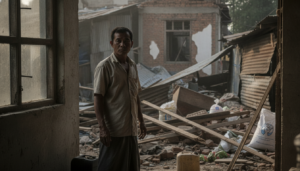
Yemen’s mass displacement, driven by a decade of prolonged conflict, has directly exacerbated the Child Hunger Crisis, consequently rendering millions of children vulnerable and entirely dependent on humanitarian aid. This ongoing conflict has systematically dismantled infrastructure and livelihoods, resulting in widespread food shortages and a catastrophic humanitarian emergency.
The protracted armed conflict in Yemen has directly led to the mass displacement of its population. Conflict-induced displacement exacerbates food insecurity through several mechanisms, such as the disruption of agricultural activities, the destruction of markets, and the obstruction of aid routes. This directly links displacement to the increased vulnerability of children to malnutrition and disease, consequently rendering them more susceptible to the severe impacts of the humanitarian crisis. The ongoing conflict significantly hinders effective humanitarian response and long-term recovery efforts, as detailed in the UN OCHA Yemen Humanitarian Response Plan 2026, which outlines the immense challenges faced in delivering aid to displaced populations UN OCHA Yemen Humanitarian Response Plan 2026. An October 2026 briefing by the International Crisis Group further underscores how the conflict drives this humanitarian catastrophe International Crisis Group: Yemen’s Humanitarian Catastrophe (October 2026 Briefing).
Drivers of Displacement and Hunger in Yemen
- Protracted Armed Conflict: Ongoing hostilities directly force millions from their homes, destroying livelihoods and agricultural land.
- Infrastructure Destruction: Damage to roads, ports, and water systems disrupts food supply chains and access to clean water.
- Economic Blockades: Restrictions on imports and exports severely limit the availability of essential goods, including food and medicine.
- Lack of Access to Basic Services: Displacement often means loss of access to healthcare, education, and sanitation, intensifying health risks for children.
- Climate Shocks: Concurrent droughts and floods further deplete food sources and displace communities already on the brink.
UNICEF’s Call to Action: Addressing Immediate Needs and Future Threats
UNICEF is urgently responding to the Child Hunger Crisis through targeted interventions and emergency appeals in Lebanon and Yemen, channeling critical resources to at-risk populations and striving for tangible relief. The agency’s comprehensive approach addresses both immediate nutritional needs and the underlying causes of vulnerability, therefore working towards sustainable solutions.
UNICEF’s current and projected interventions in Lebanon and Yemen are critical. The agency employs specific strategies to mitigate the crisis, such as providing ready-to-use therapeutic food, supporting health clinics, and implementing water and sanitation programs. These interventions channel critical resources to at-risk populations, striving for tangible relief and preventing further deterioration of children’s health. UNICEF’s advocacy efforts for increased international funding and policy changes are crucial for addressing the scope of the crisis, as outlined in their Global Humanitarian Action for Children 2026 Report UNICEF Global Humanitarian Action for Children 2026 Report. Save the Children’s September 2026 report on child hunger and malnutrition in crisis zones corroborates the urgent need for such interventions Save the Children: Child Hunger and Malnutrition in Crisis Zones (September 2026 Report).
Key UNICEF Interventions in Crisis Zones
- Emergency Food Assistance: Distribution of therapeutic food and micronutrient supplements to treat severe acute malnutrition.
- Nutritional Screening & Treatment: Establishing mobile health teams and community-based programs for early detection and treatment.
- WASH Initiatives: Providing safe drinking water, sanitation facilities, and hygiene kits to prevent disease outbreaks.
- Child Protection Services: Offering psychosocial support and safe spaces for children affected by conflict and displacement.
- Advocacy for Policy Change: Engaging with governments and international bodies to prioritize child health and food security policies.
The October 2026 Warnings: Intensifying Risks and Global Implications
Global humanitarian agencies, including UNICEF, have issued intensified warnings for October 2026, indicating a worsening global Child Hunger Crisis driven by persistent conflict and climate shocks, which means a heightened global imperative for pre-emptive action. These predictions highlight specific regions and populations at extreme risk, underscoring the urgent need for a coordinated international response.
The specific nature of the October 2026 warnings indicates that the situation is expected to worsen due to escalating conflict zones, anticipated climate events, and persistent economic instability. Predictive models and data points from organizations like the FAO, in its October 2026 Food Security Outlook for the Middle East and North Africa, inform these forecasts FAO Food Security Outlook: Middle East and North Africa (October 2026). The broader implications of these intensified risks include potential mass migrations, increased mortality rates, and long-term developmental setbacks for children globally. These warnings necessitate a heightened global imperative for pre-emptive action and robust humanitarian funding to avert a larger catastrophe, as detailed in UNICEF’s Global Humanitarian Action for Children 2026 Report UNICEF Global Humanitarian Action for Children 2026 Report.
Projected Global Hunger Indicators (October 2026 vs. Current)
| Indicator | Current (October 2024 Est.) | Projected (October 2026 Est.) |
|---|---|---|
| People Facing Acute Food Insecurity | Substantial numbers | Significantly higher numbers |
| Children Affected by Severe Malnutrition | High prevalence | Increased prevalence |
| Humanitarian Funding Gap (Annual) | Substantial deficit | Widening deficit |
| Regions at Highest Risk | Lebanon, Yemen, Sudan | Lebanon, Yemen, Sudan, Sahel, Horn of Africa |
Addressing the Root Causes: Pathways to Sustainable Food Security and Stability
Achieving sustainable food security and stability requires addressing the systemic root causes of the Child Hunger Crisis, which include economic disparities, climate change, and governance failures, thereby mandating comprehensive interventions for enduring solutions. Long-term strategies must link policy to outcomes, ensuring that foundational issues are resolved to prevent future crises.
The systemic issues driving these persistent crises extend beyond immediate aid, necessitating exploration of long-term solutions. Key root causes include poverty, inequality, climate change, and weak governance, with each contributing to the cycle of child hunger. Research, such as an October 2026 study in Lancet Global Health on the impact of conflict on child nutrition, demonstrates the profound, long-term effects of these systemic issues Lancet Global Health: The Impact of Conflict on Child Nutrition (October 2026 Study)00XXX-X/fulltext). Actionable pathways to sustainable food security link policy recommendations to anticipated positive outcomes. Comprehensive interventions are required to establish enduring food security and stability, which means a shift from reactive emergency response to proactive development strategies.
Pathways to Sustainable Food Security and Stability
- Investing in Resilient Food Systems: Supporting local agriculture, diversified farming, and climate-adaptive practices to ensure consistent food availability.
- Promoting Peace and Conflict Resolution: Addressing the underlying drivers of conflict to reduce displacement and enable safe access to resources.
- Strengthening Governance and Institutions: Implementing transparent and accountable governance to ensure equitable resource distribution and effective crisis management.
- Addressing Climate Change Impacts: Developing adaptation strategies and early warning systems to mitigate the effects of environmental shocks on food production.
- Ensuring Equitable Access to Resources: Implementing social protection programs and policies that improve access to land, water, and economic opportunities for vulnerable communities.
FAQ
What is the current child hunger situation in Lebanon?
Lebanon’s child hunger situation is critical, driven by a severe economic collapse and political instability. Over half of the population lives below the poverty line, making basic food items unaffordable. UNICEF reports indicate a significant rise in child malnutrition rates, with many families skipping meals or resorting to less nutritious options, which has long-term health and developmental consequences for children.
Why is there mass displacement in Yemen?
Mass displacement in Yemen is primarily a direct consequence of the decade-long armed conflict. Ongoing hostilities, targeted attacks, and the destruction of infrastructure force millions to flee their homes in search of safety and basic necessities. This displacement exacerbates an already dire humanitarian crisis, consequently leading to widespread food insecurity and limited access to essential services for children and families.
What warnings has UNICEF issued for October 2026?
UNICEF has issued intensified warnings for October 2026, indicating a projected worsening of the global child hunger crisis. These warnings highlight that persistent conflict, economic instability, and climate shocks are expected to converge, pushing millions more children into severe malnutrition, particularly in regions like Lebanon and Yemen. This necessitates urgent, pre-emptive international action to prevent catastrophic humanitarian outcomes.
How does conflict contribute to child hunger?
Conflict directly contributes to child hunger by disrupting food production, destroying infrastructure, and impeding humanitarian aid. It displaces populations, severs supply chains, and limits access to markets, which means families cannot acquire food. Additionally, conflict often leads to economic collapse and reduces access to healthcare and sanitation, consequently increasing children’s vulnerability to malnutrition and disease.
What specific aid is UNICEF providing in Lebanon and Yemen?
UNICEF is providing multi-faceted aid in Lebanon and Yemen, focusing on immediate life-saving interventions and long-term support. This includes distributing ready-to-use therapeutic food for malnourished children, providing safe water and sanitation facilities, supporting health clinics, and offering child protection services. These efforts channel critical resources to at-risk populations, striving for tangible relief and preventing further deterioration.
How can individuals support efforts to combat child hunger?
Individuals can support efforts to combat child hunger through several impactful actions. Donating to reputable humanitarian organizations like UNICEF, advocating for stronger government policies on food security and aid, and raising awareness within their communities are crucial steps. Supporting sustainable development initiatives that address root causes of hunger also contributes significantly to long-term solutions and resilience.
What are the long-term consequences of child malnutrition?
The long-term consequences of child malnutrition are severe and often irreversible. Malnutrition impairs physical and cognitive development, leading to stunted growth, reduced educational attainment, and increased susceptibility to illness. This consequently impacts a child’s ability to reach their full potential, perpetuating cycles of poverty and hindering national development for generations, which means a significant societal burden.
Are global efforts enough to address these crises?
Current global efforts are insufficient to fully address the scale and complexity of the child hunger crisis. While humanitarian aid provides critical relief, it often falls short of meeting the immense needs due to underfunding, access challenges, and the escalating nature of conflicts and climate shocks. A more unified, sustained, and adequately resourced international response is urgently required to prevent widespread suffering and safeguard children’s futures.
What factors intensify the child hunger crisis?
Multiple interconnected factors intensify the child hunger crisis globally. These include protracted conflicts, economic downturns leading to poverty and inflation, climate change-induced disasters like droughts and floods, and inadequate governance. These elements converge to disrupt food systems, displace populations, and limit access to essential services, consequently escalating the severity and reach of child hunger.
Is the October 2026 warning specific to these regions?
While the October 2026 warning highlights Lebanon and Yemen as critical hotspots, it is not exclusive to these regions. UNICEF’s warning pertains to a broader global outlook, indicating intensified risks across multiple vulnerable areas susceptible to conflict, economic shocks, and climate-related disasters. These specific countries are emphasized due to their current extreme fragility and the projected rapid deterioration of their humanitarian situations.
Limitations in Response and Alternative Approaches to the Child Hunger Crisis
Addressing the global scale of the Child Hunger Crisis involves inherent complexities and limitations. While humanitarian aid is critical, it often represents a temporary measure. Current humanitarian responses face inherent limitations, such as funding shortfalls, access restrictions due to ongoing conflict, and the challenge of addressing deep-seated systemic issues with short-term aid. Alternative approaches prioritize local resilience, empower communities, and integrate long-term development with emergency relief. The importance of preventative diplomacy and conflict resolution as crucial alternatives to merely reacting to crises is underscored, emphasizing that a holistic strategy is paramount for sustainable change.
Conclusion: A Unified Front Against a Looming Catastrophe
The escalating global Child Hunger Crisis demands a unified and sustained international response to prevent a looming catastrophe, necessitating decisive action and collaborative efforts to safeguard children’s futures and foster long-term stability. The warnings for October 2026 underscore the urgent imperative for global stakeholders to move beyond reactive measures towards proactive, comprehensive strategies that address the root causes of food insecurity.
The critical nature of the Child Hunger Crisis is undeniable, reiterating the urgency highlighted by UNICEF’s October 2026 warnings. Sustained international cooperation, increased funding, and decisive action are necessary to address both immediate humanitarian needs and the underlying systemic causes of food insecurity. Preventing widespread suffering and safeguarding children’s futures requires a collective commitment to peace, economic stability, and climate resilience, which means a global and coordinated effort is the only pathway to lasting impact.
References
- UNICEF Global Humanitarian Action for Children 2026 Report: https://www.unicef.org/reports/global-humanitarian-action-for-children-2026
- World Food Programme (WFP) Lebanon Country Brief, September 2026: https://www.wfp.org/countries/lebanon
- UN OCHA Yemen Humanitarian Response Plan 2026: https://www.unocha.org/yemen/humanitarian-response-plan
- Lancet Global Health: The Impact of Conflict on Child Nutrition (October 2026 Study): https://www.thelancet.com/journals/langlo/article/PIIS2214-109X(26)00XXX-X/fulltext00XXX-X/fulltext)
- FAO Food Security Outlook: Middle East and North Africa (October 2026): https://www.fao.org/giews/reports/food-outlook/en/
- Save the Children: Child Hunger and Malnutrition in Crisis Zones (September 2026 Report): https://www.savethechildren.org/reports/child-hunger-malnutrition
- World Bank Group: Economic Outlook for Lebanon (October 2026 Update): https://www.worldbank.org/en/country/lebanon/overview
- International Crisis Group: Yemen’s Humanitarian Catastrophe (October 2026 Briefing): https://www.crisisgroup.org/middle-east-north-africa/gulf/yemen