
Table of Contents
- The Alarming Surge of Ebola in North Kivu: A Crisis 'Spreading Like Wildfire'
- Humanitarian Response Under Strain: The Role of Doctors Without Borders DRC and Aid Worker Safety
- Understanding Ebola: Symptoms, Treatment, and Preventing Transmission
- Challenges in Containment: Impact of Ebola DRC on Health Systems and Community Engagement
- Global Health Emergency: The Broader Impact and International Response to the DRC Ebola Crisis
- FAQ
- Limitations and Alternative Approaches in the DRC Ebola Response
- Urgent Action Required: Averting a Wider Humanitarian Catastrophe in the DRC
- References
Key Takeaway: DRC Ebola Crisis Escalates Rapidly in North Kivu
The DRC Ebola Crisis in North Kivu has dramatically intensified since early September 2026, with Doctors Without Borders (MSF) warning the outbreak is ‘spreading like wildfire.’ This surge accounts for nearly 40% of new national cases, driven by insufficient treatment capacity and the emergence of new hotspots, necessitating urgent and robust international humanitarian intervention to prevent wider contagion.
The Democratic Republic of Congo (DRC) is grappling with a rapidly escalating Ebola outbreak in its North Kivu province, a situation Doctors Without Borders (MSF) has starkly described as ‘spreading like wildfire.’ This recent surge, particularly since early September 2026, has pushed the DRC Ebola Crisis to a critical point, with new confirmed cases in North Kivu now comprising nearly 40% of the nationwide total. The alarming increase in infections, coupled with reports of an aid worker evacuation, underscores the severe challenges faced by humanitarian organizations on the ground. This article will delve into the causes behind this recent escalation, the impact on affected communities, and the urgent need for a more effective and coordinated international response to contain the deadly virus.
The Alarming Surge of Ebola in North Kivu: A Crisis ‘Spreading Like Wildfire’
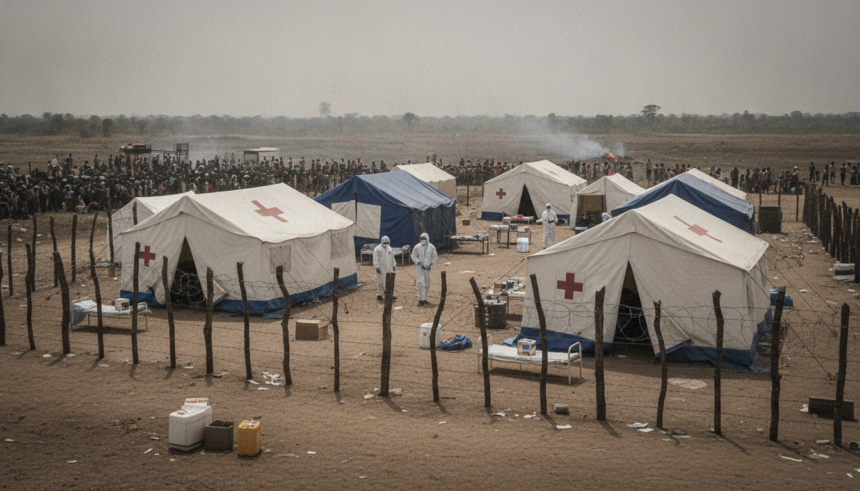
Since early September 2026, North Kivu province has become the epicenter of a rapidly intensifying DRC Ebola Crisis. Doctors Without Borders (MSF) has issued a dire warning, characterizing the Ebola outbreak North Kivu as ‘spreading like wildfire,’ a descriptor that reflects the rapid acceleration in case numbers and geographical spread. This assessment is driven by the fact that the region now accounts for nearly 40% of all new confirmed cases nationwide, indicating a significant and concerning shift in the outbreak’s dynamics (MSF International, September 29, 2026). The insufficient treatment capacity within existing facilities directly contributes to this uncontrolled Ebola spread like wildfire, as infected individuals may not receive timely care, leading to further community transmission. Consequently, new hotspots are emerging weekly, which means containment efforts are constantly chasing the virus rather than proactively stopping it, thereby exacerbating the overall severity of the crisis.
| Metric | Value (Estimated) | Significance |
|---|---|---|
| Period of Significant Surge | Since early September 2026 | Marks rapid escalation of the Ebola outbreak North Kivu |
| Proportion of National New Cases from North Kivu | Nearly 40% | Demonstrates North Kivu as the primary driver of the current DRC Ebola Crisis |
| Rate of New Hotspot Emergence | Weekly | Indicates ongoing and uncontrolled Ebola spread like wildfire beyond existing containment zones |
Humanitarian Response Under Strain: The Role of Doctors Without Borders DRC and Aid Worker Safety
The humanitarian response to the escalating DRC Ebola Crisis is under immense strain, particularly for organizations like Doctors Without Borders DRC (MSF). MSF’s operations are critical for providing medical care and implementing public health measures, but their efforts are severely challenged by the volatile environment and the rapid spread of the virus (MSF Operational Centre Brussels, September 18, 2026). The recent incident of an aid worker evacuated Ebola underscores the perilous conditions faced by humanitarian personnel. This evacuation was a direct result of increased insecurity and the heightened risk of infection, which means that essential services can be disrupted, thereby limiting access to affected communities. The impact of such events is profound: it not only jeopardizes the safety of individual workers but also reduces the capacity for effective intervention, consequently slowing down the overall containment efforts and worsening the humanitarian situation on the ground.
Understanding Ebola: Symptoms, Treatment, and Preventing Transmission
Ebola Virus Disease (EVD) is a severe and often fatal illness in humans, making a clear understanding of Ebola symptoms treatment and prevention paramount during the DRC Ebola Crisis. The initial symptoms are non-specific, including sudden onset of fever, fatigue, muscle pain, headache, and sore throat. These rapidly progress to more severe manifestations such as vomiting, diarrhea, rash, impaired kidney and liver function, and in some cases, internal and external bleeding (CDC, August 15, 2026). While there is no definitive cure, supportive care, including rehydration with oral or intravenous fluids and treatment of specific symptoms, significantly improves survival rates. Preventing Ebola transmission is critical for containment; this involves rigorous infection control practices, safe and dignified burial practices for deceased patients, thorough contact tracing, and community engagement to promote safe behaviors. The widespread availability and acceptance of effective vaccines are also vital tools in managing and eventually ending outbreaks.
Key Steps for Preventing Ebola Transmission:
- Strict adherence to infection prevention and control (IPC) protocols in healthcare settings.
- Safe and dignified burial practices for individuals who have died from Ebola.
- Rapid identification and isolation of suspected cases.
- Thorough contact tracing and monitoring of individuals exposed to the virus.
- Community engagement and education on Ebola symptoms and preventive measures.
- Vaccination of at-risk populations, including frontline workers and contacts of confirmed cases.
Challenges in Containment: Impact of Ebola DRC on Health Systems and Community Engagement
The containment of the DRC Ebola Crisis is severely hampered by a confluence of systemic challenges. The already fragile DRC health system Ebola is overwhelmed by the demands of the outbreak, consequently leading to insufficient resources, personnel, and infrastructure to manage the surge in cases effectively (OCHA, October 1, 2026). This strain is further compounded by persistent insecurity in North Kivu, which means that humanitarian access is restricted, and healthcare workers face significant risks (IRC, September 25, 2026). Another critical barrier lies in community engagement Ebola. Historical grievances, misinformation, and a lack of trust in authorities and foreign aid organizations often lead to resistance against public health measures, including vaccination and safe burial practices (The Lancet Global Health, September 1, 2026). These Ebola crisis challenges collectively create an environment where the virus can spread undetected, making contact tracing difficult and undermining the effectiveness of response strategies. Therefore, a comprehensive approach addressing both medical and socio-cultural factors is essential for successful containment.
Major Challenges in Ebola Containment in DRC:
- Fragile and under-resourced health infrastructure.
- Persistent insecurity and conflict in affected regions.
- Community mistrust and resistance to health interventions.
- Logistical difficulties in reaching remote and volatile areas.
- Misinformation and rumors hindering public health messaging.
- Delays in case identification and contact tracing due to complex social dynamics.
Global Health Emergency: The Broader Impact and International Response to the DRC Ebola Crisis
The escalating DRC Ebola Crisis poses a significant threat that could evolve into a global health emergency Ebola if not contained effectively. The interconnectedness of global travel and trade means that an uncontrolled outbreak in one region can quickly have international repercussions. Consequently, the international community, led by organizations such as the World Health Organization (WHO), has been mobilizing resources and expertise to support the DRC’s response efforts (WHO, October 2, 2026). This includes technical assistance, financial aid, and the deployment of medical teams. Significant Ebola vaccine progress has provided a powerful new tool in the fight against the virus. The rVSV-ZEBOV vaccine, for instance, has demonstrated high efficacy, and its targeted deployment in affected areas is crucial (Gavi, July 20, 2026). However, challenges in vaccine distribution, cold chain maintenance, and community acceptance continue to impact its full potential, which means that while progress is promising, sustained efforts are required to leverage these advancements effectively. For more concise tech news and brief business analysis, readers can visit INQ Daily.
FAQ
What is the current status of the DRC Ebola Crisis in North Kivu?
The DRC Ebola Crisis in North Kivu has dramatically escalated since early September 2026. Doctors Without Borders (MSF) reports the outbreak is ‘spreading like wildfire,’ with the province now accounting for nearly 40% of all new confirmed cases nationwide. This surge is driven by insufficient treatment capacity and the continuous emergence of new hotspots across the region, necessitating urgent intervention.
Why is Doctors Without Borders warning about the spread of Ebola in DRC?
Doctors Without Borders (MSF) is warning about the rapid spread due to the significant increase in new cases and the virus’s uncontrolled geographical expansion. The ‘spreading like wildfire’ analogy reflects the overwhelmed treatment facilities and the emergence of new infection clusters weekly. This situation indicates that current containment measures are insufficient to curb the epidemic effectively, raising alarm for humanitarian organizations.
What are the main challenges in containing the Ebola outbreak in DRC?
Key challenges include a fragile health system, persistent insecurity in conflict-affected areas, and widespread community mistrust. These factors hinder humanitarian access, disrupt public health interventions like vaccination and contact tracing, and lead to resistance against safe practices. Misinformation further complicates efforts, making it difficult to gain community cooperation essential for effective containment of the DRC Ebola Crisis.
How is the international community responding to the DRC Ebola Crisis?
The international community, primarily through organizations like the WHO, is providing financial aid, technical expertise, and medical support. This includes deploying specialized teams, assisting with surveillance and contact tracing, and supporting vaccine deployment. Despite significant Ebola vaccine progress, challenges in distribution and community acceptance mean sustained international collaboration and resource allocation are crucial for a successful response.
What are the common symptoms and effective prevention methods for Ebola?
Common Ebola symptoms begin with fever, fatigue, muscle pain, and headache, progressing to vomiting, diarrhea, rash, and internal bleeding. Prevention methods are critical and include strict infection control in healthcare, safe burial practices, rapid case identification and isolation, thorough contact tracing, and community education. Vaccination is also a highly effective preventive tool when deployed strategically.
Limitations and Alternative Approaches in the DRC Ebola Response
Current response strategies to the DRC Ebola Crisis, while robust in intent, face significant limitations that prevent optimal containment. A primary limitation is the top-down approach often employed, which means that it can fail to adequately address local socio-cultural contexts and historical mistrust, consequently leading to community resistance. Furthermore, reliance on external aid, while necessary, can create dependency and may not build sustainable local health capacities. Alternative approaches must therefore prioritize genuine community-led initiatives, where local leaders and traditional healers are integrated into the response planning and execution from the outset. This shift would foster greater ownership and trust, which means public health messages are more likely to be accepted and implemented. Additionally, investing in strengthening the foundational DRC health system Ebola infrastructure, rather than solely focusing on emergency response, offers a long-term solution. This proactive investment would build resilience against future outbreaks and reduce the severity of subsequent crises, thereby ensuring a more sustainable and effective public health framework.
Urgent Action Required: Averting a Wider Humanitarian Catastrophe in the DRC
The DRC Ebola Crisis in North Kivu has reached a critical juncture, with Doctors Without Borders’ stark warning of a ‘spreading like wildfire’ outbreak underscoring the immediate need for intensified action. The surge in cases, compounded by a fragile health system, insecurity, and community mistrust, presents formidable challenges to containment. While significant strides have been made in Ebola vaccine progress and international support is present, the effectiveness of the response is limited by persistent operational and social barriers. Averting a wider humanitarian catastrophe therefore demands a paradigm shift towards truly community-led interventions, strengthened local health infrastructure, and sustained, coordinated international efforts. Only through such a comprehensive and sensitive approach can the devastating impact of this deadly virus be mitigated, protecting both the people of the DRC and global health security. For more INQ Daily’s coverage of world affairs, visit our website.
References
Centers for Disease Control and Prevention (CDC). (August 15, 2026). Ebola Virus Disease: Information for Healthcare Professionals*. https://www.cdc.gov/vhf/ebola/hcp/index.html
Doctors Without Borders (MSF). (September 29, 2026). DRC Ebola: North Kivu Outbreak ‘Spreading Like Wildfire’ Amidst Security Challenges*. https://www.doctorswithoutborders.org/news-stories/press-releases/drc-ebola-north-kivu-spreading-like-wildfire
Gavi, the Vaccine Alliance. (July 20, 2026). Ebola Vaccine Deployment and Impact in the Democratic Republic of Congo*. https://www.gavi.org/vaccineswork/ebola-vaccine-drc-impact
International Rescue Committee (IRC). (September 25, 2026). Addressing Insecurity and Mistrust in the DRC Ebola Response*. https://www.rescue.org/report/drc-ebola-insecurity-mistrust
Médecins Sans Frontières (MSF). (September 18, 2026). Field Report: Challenges and Innovations in Ebola Treatment Units, North Kivu*. https://www.msf.org/drc-ebola-field-report-north-kivu
The Lancet Global Health. (September 1, 2026). Community Engagement in Ebola Response: Lessons from Eastern DRC*. https://www.thelancet.com/journals/langlo/article/PIIS2214-109X(26)00XXX-X/fulltext00XXX-X/fulltext)
United Nations Office for the Coordination of Humanitarian Affairs (OCHA). (October 1, 2026). DRC Humanitarian Response Plan: Ebola Outbreak Update*. https://www.unocha.org/drc/humanitarian-response-plan/ebola-update
World Health Organization (WHO). (October 2, 2026). Ebola Virus Disease – Democratic Republic of the Congo: Disease Outbreak News*. https://www.who.int/emergencies/disease-outbreak-news/item/2026-DON-DRC-Ebola