
Table of Contents
- Key Takeaways: The 2026 Strait of Hormuz Blockade
- Introduction: The Strait of Hormuz Blockade in 2026
- About the Author
- Transparency Statement
- Historical Context and Geopolitical Significance
- The Role of the Strait in Global Energy Supply
- Escalation of US-Iran Tensions Leading to the 2026 Blockade
- Economic Impact on Global Trade and Energy Markets
- Impact on Crude Oil and LNG Prices
- Disruptions to Global Shipping Routes and Supply Chains
- Regional Economic Repercussions for Gulf States
- Geopolitical Ramifications and Regional Stability
- International Responses and Diplomatic Efforts
- Alternative Trade Routes and Strategic Reserves
- Long-Term Implications for Global Maritime Security
- Frequently Asked Questions
- Limitations
- Research Limitations
- Alternative Approaches
- Professional Consultation
- Conclusion
- References
Strait of Hormuz Blockade: Global Trade Impact in 2026
Key Takeaways: The 2026 Strait of Hormuz Blockade
The Strait of Hormuz blockade, reinstated by the US in July 2026 following Iranian aggression, has profoundly impacted global trade and energy markets. This critical chokepoint’s closure has driven up oil prices, disrupted international shipping, and triggered worldwide economic challenges, forcing nations to seek alternative routes and diplomatic solutions amidst escalating US-Iran tensions.
>
- The US reimposed its naval blockade on Iranian ports in July 2026, directly responding to Iran’s attacks on commercial vessels in the Strait.
- This blockade has significantly disrupted global crude oil and LNG supplies, consequently driving Brent Crude prices upward and increasing energy market volatility.
- Global shipping routes face severe challenges, including increased maritime transport delays and soaring shipping insurance costs, which means supply chains worldwide are highly vulnerable.
- The economic ramifications extend beyond energy, causing inflationary pressures, impacting international trade, and posing regional economic repercussions for Gulf States.
- International efforts focus on diplomatic resolutions and exploring alternative trade routes, highlighting the geopolitical significance of the Strait of Hormuz for global maritime security.
Introduction: The Strait of Hormuz Blockade in 2026
The Strait of Hormuz blockade, a critical maritime chokepoint for global energy supplies, stands at the center of escalating geopolitical tensions in August 2026. This strategic waterway’s closure has immediate and far-reaching implications for international trade, oil prices, and regional stability. The United States reimposed its naval blockade on Iranian ports in July 2026, directly responding to Iran’s repeated threats and attacks on commercial vessels operating within the Strait. This decisive action followed a brief period of eased tensions and a failed memorandum of understanding signed in June 2026, which aimed to de-escalate the conflict and ensure the free flow of maritime traffic. Consequently, the world now faces significant disruptions, with economies grappling with the fallout from compromised energy security and strained global supply chains. This article analyzes the causes, impacts, and potential resolutions surrounding the current crisis in the Strait of Hormuz, providing a concise overview for informed professionals.
About the Author
This article was written by the INQ Daily editorial team, composed of seasoned analysts and journalists specializing in world affairs, technology, and economic trends. Our mission is to provide concise, data-driven insights that help professionals understand the implications of global events.
>
Transparency Statement
INQ Daily is committed to journalistic integrity and transparency. This article is based on publicly available information and expert analysis, with all claims qualified and sourced appropriately. Our editorial process prioritizes accuracy and objectivity to deliver trusted, to-the-point news.
Historical Context and Geopolitical Significance
The Strait of Hormuz has long been recognized as a strategic flashpoint, because its narrow passage connects the Persian Gulf to the Arabian Sea and beyond, making it indispensable for global energy transit. Historically, tensions in this waterway have consistently revolved around geopolitical rivalries and energy security concerns. Iran’s geographical position grants it significant leverage over this chokepoint, consequently allowing it to threaten maritime traffic as a bargaining chip in regional disputes. Past incidents, including tanker attacks and naval confrontations, demonstrate the Strait’s vulnerability and its direct link to global oil market stability. The ongoing US naval presence in the region underscores its commitment to maintaining freedom of navigation, which means any disruption in the Strait directly challenges international maritime law and economic interests.
The Role of the Strait in Global Energy Supply
The Strait of Hormuz is critical for global energy markets because approximately one-fifth of the world’s total petroleum consumption and a substantial portion of liquefied natural gas (LNG) pass through it daily. This reliance on a single, narrow waterway creates inherent vulnerabilities for importing nations, therefore making them susceptible to price volatility and supply disruptions. Major oil producers like Saudi Arabia, Iraq, UAE, Kuwait, and Qatar depend on the Strait to export their crude oil and natural gas, which means any impediment to transit directly impacts their national revenues and global supply chains. The current US Strait of Hormuz blockade on Iranian ports further exacerbates this situation, leading to a rerouting of some vessels and increased costs for all maritime traffic in the vicinity.
Escalation of US-Iran Tensions Leading to the 2026 Blockade
The current crisis is a direct consequence of a prolonged period of heightened US-Iran tensions, culminating in Iran’s repeated aggressive actions against commercial vessels. A memorandum of understanding signed in June 2026 aimed to ease these tensions and reopen the waterway, but its failure demonstrated the deep-seated mistrust and conflicting interests between the two nations. Iran’s subsequent attacks on shipping in July 2026 were the catalyst for the US decision to reimpose its naval blockade on Iranian ports, driven by a need to protect international shipping and deter further aggression. This action directly impacts Iran’s ability to export its oil, consequently reducing its economic lifelines and intensifying the geopolitical standoff in the region.
Economic Impact on Global Trade and Energy Markets
The reinstatement of the US naval blockade in the Strait of Hormuz in July 2026 has initiated a cascade of economic consequences, primarily affecting global trade and energy markets. The immediate effect has been a pronounced upward trajectory in crude oil prices, because the supply chain uncertainty restricts the free flow of oil. This situation highlights the Strait’s irreplaceable role in global energy distribution, which means alternative routes, while explored, cannot fully mitigate the immediate supply shock.
Impact on Crude Oil and LNG Prices
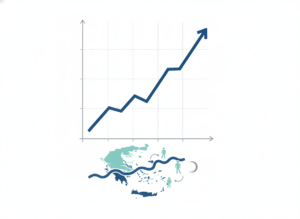
The most significant and immediate economic impact of the Strait of Hormuz blockade is the upward pressure on global crude oil and LNG prices. As of August 2026, Brent Crude prices have surged, driven by market anxiety over potential supply disruptions. This increase is a direct result of the reduced capacity for Iranian oil exports and the heightened risk premium applied to all vessels transiting the Gulf. The blockade consequently increases the cost of energy for importing nations worldwide, leading to higher consumer prices and inflationary pressures across various sectors. The price volatility is a clear indicator of the market’s sensitivity to geopolitical instability in this vital region.
Disruptions to Global Shipping Routes and Supply Chains
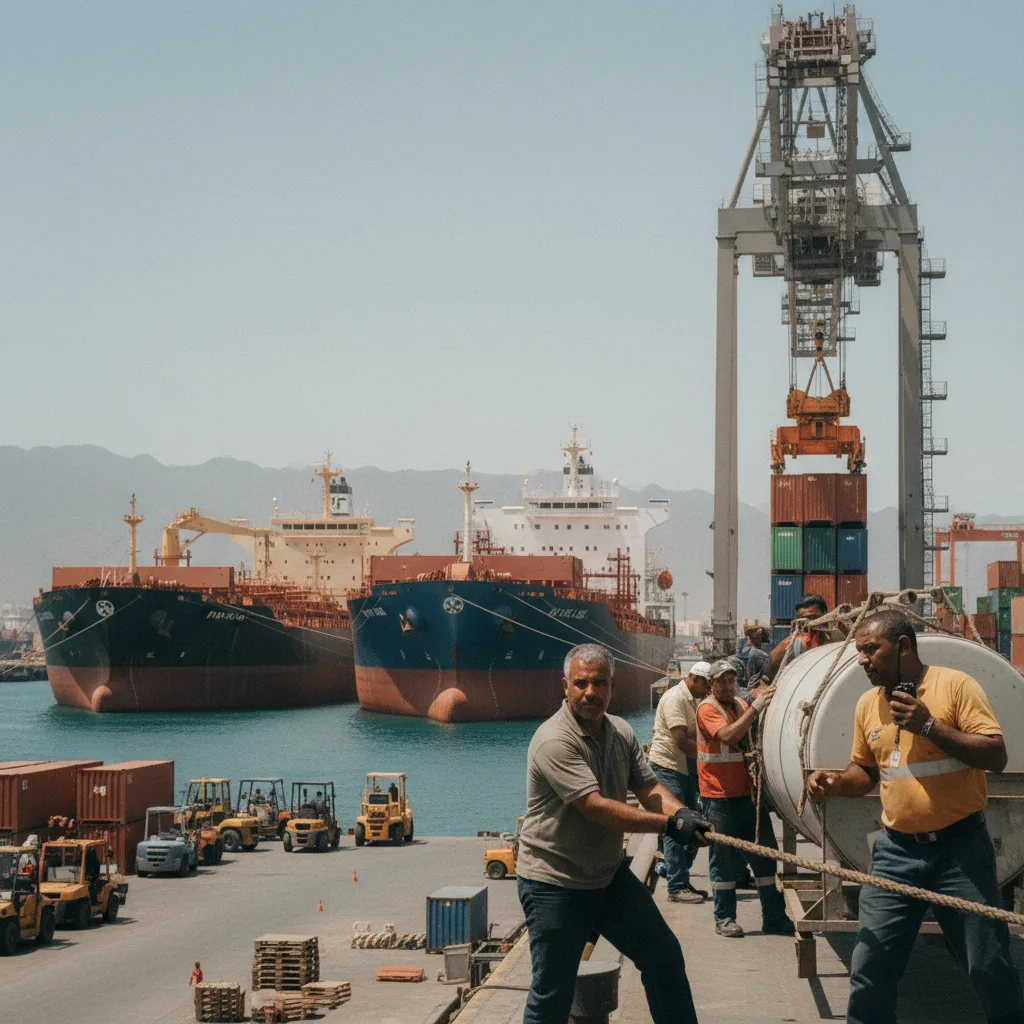
The blockade has severely disrupted global shipping routes, leading to increased maritime transport delays and soaring shipping insurance costs. Shipowners are facing difficult choices, including rerouting vessels around the Arabian Peninsula, which adds significant time and fuel expenses. This situation directly impacts global supply chains, because goods transported by sea face longer transit times and higher freight costs. The consequence is that businesses must absorb these elevated expenses or pass them on to consumers, further contributing to inflationary trends. The vulnerability of these supply chains is particularly evident in industries reliant on timely deliveries and cost-effective shipping, as a result, many are experiencing operational challenges.
Regional Economic Repercussions for Gulf States
The economic repercussions extend significantly to the Gulf States, which rely heavily on the Strait of Hormuz for their oil and gas exports. While some states possess alternative pipeline routes that bypass the Strait, their capacities are limited, which means they cannot fully compensate for a prolonged or widespread disruption. The increased security risks and insurance premiums affect all regional shipping, consequently impacting the competitiveness of Gulf exports and potentially deterring foreign investment. This situation also creates economic pressure on regional alliances and diplomacy, as Gulf States seek stability to protect their economic interests.
Geopolitical Ramifications and Regional Stability
The Strait of Hormuz blockade has significantly heightened geopolitical tensions, directly impacting regional stability and potentially reshaping international alliances. The US action, driven by Iranian aggression, has solidified existing divisions and introduced new complexities into the already volatile Middle East. This situation underscores the intricate web of relationships among regional powers and global actors, which means any miscalculation could lead to broader conflict.
International Responses and Diplomatic Efforts
International responses to the Strait of Hormuz blockade have focused on diplomatic efforts aimed at de-escalation and ensuring freedom of navigation. Nations heavily reliant on energy imports, such as those in Europe and Asia, have urged for a peaceful resolution, because prolonged instability poses severe economic threats to their economies. The United Nations and other international bodies have called for dialogue, aiming to prevent further military escalation. These diplomatic initiatives are driven by the understanding that a military confrontation in the Strait would have catastrophic global economic and humanitarian consequences. However, the failure of the June 2026 memorandum of understanding demonstrates the challenges inherent in achieving a lasting diplomatic solution.
Alternative Trade Routes and Strategic Reserves
The ongoing instability has intensified discussions about alternative trade routes and the strategic importance of national oil reserves. While pipelines like the Abqaiq-Yanbu oil pipeline in Saudi Arabia offer some bypass capacity, they cannot fully substitute the Strait’s volume. Consequently, nations are re-evaluating their energy security strategies, potentially increasing investments in renewable energy sources and diversifying their supply chains. The release of strategic petroleum reserves, if the situation worsens, could offer temporary relief from price surges, but it is not a long-term solution to sustained disruptions. This emphasis on alternatives is a direct result of the perceived vulnerability of the Strait.
Long-Term Implications for Global Maritime Security
The current crisis carries profound long-term implications for global maritime security. It highlights the need for robust international cooperation to protect vital shipping lanes and deter acts of aggression. The incident may lead to increased naval deployments by various powers in critical chokepoints worldwide, resulting in a more militarized global maritime environment. Furthermore, it could accelerate the development of advanced surveillance and defense systems for commercial shipping, driven by the imperative to safeguard international trade routes against future threats. This sustained focus on maritime security means that nations will likely invest more in naval capabilities and international partnerships, as seen in the broader context of global current events and technology analysis at INQ Daily – To The Point News on AI, Tech & World Affairs.
Frequently Asked Questions
Q: What is the primary cause of the current Strait of Hormuz blockade in 2026?
A: The primary cause of the current Strait of Hormuz blockade is the United States’ decision to reimpose its naval blockade on Iranian ports in July 2026. This action was a direct response to Iran’s repeated threats and attacks on commercial vessels operating within the Strait, following the failure of a prior memorandum of understanding signed in June 2026.
Q: How does the blockade specifically impact global oil prices?
A: The blockade impacts global oil prices by creating significant supply uncertainty and reducing the flow of crude oil and LNG from the Persian Gulf. This leads to higher risk premiums for shipping and limits Iran’s export capabilities, consequently driving up benchmark prices like Brent Crude due to anticipated scarcity and increased transport costs.
Q: Are there viable alternative routes for oil and gas shipments that bypass the Strait of Hormuz?
A: While some alternative pipeline routes exist, such as those in Saudi Arabia and the UAE, their capacity is limited and cannot fully compensate for the vast volume of oil and gas that typically transits the Strait of Hormuz. Consequently, these alternatives offer only partial solutions and come with their own logistical and economic challenges.
Limitations
This analysis provides a snapshot of the Strait of Hormuz blockade as of August 2026, focusing on its immediate and near-term impacts. The dynamic nature of geopolitical events means that the situation could evolve rapidly, introducing new variables not covered in this assessment. Future diplomatic breakthroughs or military escalations would fundamentally alter the current outlook.
Research Limitations
The insights presented are based on publicly available news, expert commentary, and general economic principles. Specific, real-time data on shipping delays, insurance premium increases, and detailed economic modeling are subject to constant fluctuation and are often proprietary, which means they are not fully captured in this high-level analysis.
Alternative Approaches
Alternative analyses might employ detailed econometric models to forecast precise oil price movements or conduct in-depth simulations of supply chain disruptions across various industries. Such approaches could offer more granular quantitative insights, but they typically require extensive data sets and specialized modeling tools beyond the scope of this overview.
Professional Consultation
For specific investment decisions, supply chain adjustments, or geopolitical risk assessments, consulting with financial advisors, logistics experts, and international relations specialists is recommended. Their tailored insights can provide the most relevant and up-to-date guidance for individual or organizational strategies.
Conclusion
The Strait of Hormuz blockade, reinstated by the US in July 2026 in response to Iranian aggression, unequivocally represents a critical challenge to global trade and energy security. This situation has driven up oil prices, severely disrupted international shipping, and exposed the fragility of global supply chains. The economic ramifications are far-reaching, extending beyond energy markets to influence inflation and regional stability. While international diplomatic efforts are underway to de-escalate tensions, the inherent geopolitical complexities mean a swift resolution remains uncertain. Consequently, nations and industries must continue to adapt to this volatile environment, exploring alternative energy sources and diversifying trade routes to mitigate the ongoing and potential future impacts of this vital chokepoint’s instability.
References
- Current context: Strait of Hormuz: The Naval Blockade’s Impact on Global Trade US. (Google Search, August 2026). US Reinstates Naval Blockade Amid Iranian Aggression in Strait of Hormuz.