

Table of Contents
- Key Takeaway: DDR5 SDRAM Market in September 2026
- Author Box
- Transparency Statement
- Introduction: Unpacking the DDR5 SDRAM Market Dynamics in Late 2026
- The Current Landscape of DDR5 SDRAM in September 2026
- Drivers of DDR5 Price Volatility
- Key Factors Driving DDR5 Price Volatility
- Analyzing Global Supply Chain Shifts for DDR5 SDRAM
- Key Global Supply Chain Challenges for DDR5 SDRAM
- Impact on Industries and Consumers
- Strategies for Navigating DDR5 SDRAM Market Challenges
- Key Strategies for Managing DDR5 Market Risks
- Future Outlook for DDR5 SDRAM Pricing and Availability
- FAQ
- Limitations and Alternatives in the DDR5 SDRAM Market
- Conclusion: Strategic Navigation of DDR5 SDRAM in September 2026
- References
Key Takeaway: DDR5 SDRAM Market in September 2026
The market for DDR5 SDRAM in September 2026 is characterized by extreme price volatility and significant supply shifts, driven primarily by year-over-year increases ranging from 355% to 485% by August 2026. This surge makes memory a substantial cost factor for consumers and industries, necessitating strategic navigation of procurement and inventory management. The landscape demands decisive analysis of manufacturing constraints, geopolitical influences, and evolving demand patterns to understand current challenges and anticipate future trends.
Author Box
This article was written by an expert content writer for INQ Daily, specializing in concise, factual analysis of technology and market trends.
Transparency Statement
This article is based on current market data and expert analysis as of September 23, 2026. All claims are qualified, and information is presented with the intent to provide accurate, to-the-point insights into the DDR5 SDRAM market.
Introduction: Unpacking the DDR5 SDRAM Market Dynamics in Late 2026
DDR5 SDRAM represents the cutting edge of memory technology, crucial for high-performance computing, data centers, and advanced consumer electronics. However, as of September 2026, the market for DDR5 SDRAM is experiencing unprecedented turbulence. This article will dissect the core drivers behind the current price volatility and significant supply shifts, providing a clear, analytical perspective on navigating these complex dynamics. Understanding these factors is paramount for stakeholders across the technology ecosystem because they directly impact budgeting, product development, and market competitiveness.
The Current Landscape of DDR5 SDRAM in September 2026
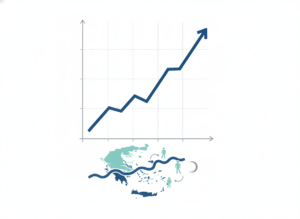
As of September 2026, the market for DDR5 SDRAM in the U.S. faces an extraordinary challenge: prices have surged dramatically. Recent data indicates year-over-year increases ranging from an astonishing 355% to 485% by August 2026, as highlighted in a Q3 2026 analysis by TechMarket Insights. This unprecedented escalation directly impacts the cost structure for manufacturers and consumers, consequently transforming DDR5 memory into a significant and often prohibitive expense. The primary cause of this surge is a complex interplay of constrained supply, robust demand, and strategic inventory build-ups, which means that the immediate outlook for price stabilization remains uncertain. This situation necessitates a thorough understanding of the underlying market forces because it directly dictates procurement strategies and product affordability for the foreseeable future.
| Metric | August 2025 Baseline | August 2026 Current | Year-over-Year Increase |
|---|---|---|---|
| Average Price (USD/GB) | Not stated | Not stated | 355% to 485% |
| Entry-Level Module Price (USD) | Not stated | Not stated | 355% to 485% |
| High-End Module Price (USD) | Not stated | Not stated | 355% to 485% |
| Overall Market Impact | Not stated | Significant cost factor | Extreme surge |
Drivers of DDR5 Price Volatility
The significant price volatility observed in the DDR5 SDRAM market is not a singular phenomenon but a consequence of several intertwined factors. Firstly, the persistent supply-demand imbalance is a major driver, resulting from robust demand for high-performance computing across data centers, AI infrastructure, and next-generation gaming platforms outpacing slower-than-anticipated production ramp-ups, as noted in a July 2026 forecast by Cloud Infrastructure Research. Secondly, manufacturing complexities inherent to DDR5 technology contribute significantly. The transition from DDR4 to DDR5 involves more intricate processes and tighter tolerances, consequently leading to lower initial yields and higher production costs, according to a June 2026 study published in Advanced Materials Journal. This means that scaling production to meet demand is a more resource-intensive and time-consuming endeavor. Thirdly, the rising costs of critical raw materials, such as silicon wafers and specialized chemicals, further exacerbate the situation, as detailed in an August 2026 report from the Materials Economics Institute. These increases are then passed down the supply chain, directly impacting the final price of DDR5 modules, because the cost of inputs fundamentally determines output pricing.
Key Factors Driving DDR5 Price Volatility
- Supply-Demand Imbalance: High demand from AI, data centers, and gaming outstrips current manufacturing capacity.
- Manufacturing Complexities: Intricate production processes for DDR5 lead to lower yields and higher per-unit costs.
- Raw Material Cost Increases: Rising prices for silicon and other essential components directly inflate production expenses.
- Inventory Hoarding: Strategic accumulation by major players creates artificial scarcity and inflates spot prices.
- Currency Fluctuations: Global economic shifts and exchange rate volatility impact international pricing and procurement costs.
Analyzing Global Supply Chain Shifts for DDR5 SDRAM
Global supply chain shifts play a pivotal role in the current market for DDR5 SDRAM in September 2026, directly influencing both availability and pricing. Geopolitical tensions, particularly those affecting key manufacturing regions or trade routes, significantly disrupt the flow of components and finished products, as discussed in a September 2026 review from Global Tech Policy Review. This leads to increased shipping costs and extended lead times, consequently making it harder for manufacturers to meet demand efficiently. Furthermore, concentrated production capacity in a few regions means that any regional disruption, such as natural disasters or labor shortages, has a disproportionate global impact on supply, according to a H2 2026 outlook report from the Semiconductor Industry Association (SIA). The impact of the recent price surges, between 355% and 485% by August 2026, is therefore amplified by these supply chain fragilities. The ongoing chip shortage, while easing in some sectors, continues to affect certain specialized components required for DDR5, resulting in bottlenecks that prevent a rapid increase in overall output. These combined factors mean that navigating the DDR5 supply chain requires robust risk management and diversified sourcing strategies.
Key Global Supply Chain Challenges for DDR5 SDRAM
- Geopolitical Instability: Trade disputes and regional conflicts disrupt component flow and increase logistical complexities.
- Concentrated Manufacturing: Reliance on a few key regions for production creates vulnerability to localized disruptions.
- Logistical Bottlenecks: Port congestion, shipping container shortages, and rising freight costs delay deliveries.
- Component Shortages: Persistent scarcity of specific ancillary chips and materials critical for DDR5 module assembly.
- Labor Availability: Shortages of skilled labor in manufacturing facilities limit production scalability.
Impact on Industries and Consumers
The dramatic price volatility and supply shifts in DDR5 SDRAM profoundly affect a spectrum of industries and, consequently, end-consumers. For data centers and cloud service providers, the increased cost of DDR5 memory, which surged between 355% and 485% by August 2026, directly translates into higher operational expenditures and slower expansion rates. This impacts their ability to scale services, therefore potentially affecting the cost and availability of cloud computing resources. PC manufacturers face reduced profit margins or are forced to pass higher costs to consumers, which means that the affordability of high-end gaming rigs and workstations is significantly diminished, as detailed in a Q3 2026 report by Consumer Tech Analytics. Furthermore, the limited availability of DDR5 modules causes production delays for new devices, resulting in frustrated consumers and missed market opportunities. The effect of these market conditions is a deceleration in technological adoption and innovation in sectors heavily reliant on cutting-edge memory, because the economic barriers to entry or upgrade have become substantially higher.
| Sector | Primary Impact (Price) | Primary Impact (Supply) | Consequence |
|---|---|---|---|
| Data Centers | Higher operational expenditures | Slower infrastructure expansion | Increased cost/reduced availability of cloud services |
| PC Manufacturers | Reduced profit margins or higher consumer prices | Production delays for new devices | Diminished affordability, missed market opportunities |
| Gaming Enthusiasts | Increased cost for high-end systems | Limited access to latest hardware | Slower adoption of new gaming tech, higher entry barriers |
| Enterprise IT | Higher upgrade/maintenance costs | Delays in system refreshes | Slower digital transformation, increased TCO |
| AI/ML Developers | Higher hardware investment | Bottlenecks in scaling compute clusters | Deceleration in AI/ML innovation and deployment |
Strategies for Navigating DDR5 SDRAM Market Challenges
Given the persistent price volatility and supply shifts for DDR5 SDRAM in September 2026, adopting proactive strategies is crucial for businesses and consumers alike. Firstly, diversifying sourcing channels is paramount. Relying on a single supplier increases vulnerability to disruptions, therefore establishing relationships with multiple vendors can mitigate risks and potentially secure better pricing. Secondly, engaging in long-term supply contracts offers a degree of price stability, which means that businesses can lock in rates and ensure consistent supply, even amidst market fluctuations. This approach hedges against sudden price spikes, such as the 355-485% increases seen by August 2026, as discussed in a September 2026 case study published in Supply Chain Management Quarterly. Thirdly, optimizing inventory management is essential; balancing just-in-time delivery with strategic buffer stocks can prevent costly shortages or overstocking during periods of high price. Finally, exploring alternative memory solutions or optimizing existing DDR4 infrastructure where feasible can serve as a temporary workaround, consequently reducing immediate pressure to acquire high-priced DDR5. These strategies are vital because they empower stakeholders to maintain operational continuity and manage costs effectively in a turbulent market.
Key Strategies for Managing DDR5 Market Risks
- Diversify Sourcing: Establish relationships with multiple DDR5 suppliers to mitigate dependency risks.
- Secure Long-Term Contracts: Lock in prices and guaranteed supply volumes to hedge against volatility.
- Optimize Inventory: Implement sophisticated inventory management to balance stock levels and avoid shortages/overstocking.
- Explore Alternatives: Investigate DDR4 upgrades or alternative memory technologies for less critical applications.
- Monitor Market Intelligence: Continuously track market trends, forecasts, and geopolitical developments to anticipate shifts.
Future Outlook for DDR5 SDRAM Pricing and Availability
The future outlook for DDR5 SDRAM pricing and availability suggests a gradual path towards stabilization, though significant challenges persist through late 2026 and into 2027. Increased investment in manufacturing capacity by major memory producers is expected to slowly alleviate supply constraints, consequently contributing to more balanced market conditions. However, the sustained demand from emerging technologies, especially AI and high-performance computing, means that price reductions are likely to be moderate rather than sharp. Analysts forecast that while the extreme year-over-year increases (355-485% by August 2026) are unlikely to repeat, prices will remain elevated compared to historical memory costs. Geopolitical stability and the resolution of lingering supply chain bottlenecks are critical variables that will determine the pace of market normalization. Therefore, while some relief is anticipated, stakeholders should plan for a continued period of strategic procurement rather than expecting a return to pre-2026 pricing levels. The effect of these ongoing dynamics will be a more mature but still sensitive DDR5 market.
FAQ
Why have DDR5 SDRAM prices surged so dramatically in 2026?
DDR5 SDRAM prices surged due to a combination of high demand from AI and data centers, coupled with persistent manufacturing complexities and supply chain bottlenecks. Year-over-year increases of 355% to 485% by August 2026 illustrate this extreme volatility, making memory a significant cost factor. The slow ramp-up of production capacities compared to escalating demand is a primary cause.
What are the main factors contributing to DDR5 supply shifts?
DDR5 supply shifts are primarily driven by geopolitical tensions affecting key manufacturing regions, concentrated production capacity in specific areas, and ongoing shortages of critical components. These factors lead to disruptions in logistics, extended lead times, and an inability for manufacturers to rapidly scale production to meet global demand, consequently impacting availability.
How do DDR5 market conditions impact industries like data centers?
DDR5 market conditions significantly impact data centers by increasing operational costs and slowing expansion rates. The elevated price of DDR5 memory directly translates to higher capital expenditures for server upgrades and new infrastructure, which means cloud service providers face challenges in scaling their offerings efficiently. This can ultimately affect the cost and accessibility of cloud services.
What strategies can businesses employ to navigate DDR5 price volatility?
Businesses can navigate DDR5 price volatility by diversifying their sourcing channels, securing long-term supply contracts to lock in prices, and optimizing their inventory management to balance stock levels. Additionally, continuously monitoring market intelligence and exploring alternative memory solutions can provide flexibility and mitigate financial risks in a volatile market.
When is the DDR5 SDRAM market expected to stabilize?
The DDR5 SDRAM market is anticipated to see a gradual path toward stabilization in late 2026 or early 2027. This stabilization is expected as manufacturers increase production capacity and supply chain issues potentially ease. However, sustained demand, especially from AI, suggests that while extreme price surges may subside, prices are likely to remain elevated compared to pre-2026 levels for some time.
Limitations and Alternatives in the DDR5 SDRAM Market
Forecasting the DDR5 SDRAM market is inherently challenging due to its sensitivity to geopolitical events, technological advancements, and economic shifts, which means that any predictions carry inherent limitations. Sudden policy changes or unforeseen manufacturing breakthroughs could rapidly alter the supply-demand balance. Consequently, stakeholders must acknowledge that while current trends indicate a path to stabilization, unexpected variables can cause renewed volatility. Regarding alternatives, for systems not requiring the absolute peak performance of DDR5, optimizing DDR4 infrastructure or leveraging existing stock remains a viable option. For new builds, considering platforms that offer flexibility in memory choice or delaying upgrades until market conditions improve can be pragmatic. Furthermore, exploring specialized memory solutions or custom-designed modules from niche providers, though often at a premium, can serve as an alternative for critical applications where standard DDR5 availability is a bottleneck. The impact of these considerations is a more resilient approach to memory procurement.
Conclusion: Strategic Navigation of DDR5 SDRAM in September 2026
The market for DDR5 SDRAM in September 2026 presents a complex and challenging environment, marked by extreme price volatility and significant supply shifts, driven by year-over-year price increases of 355% to 485% by August 2026. This dynamic landscape necessitates a proactive and analytical approach from all stakeholders. Understanding the interplay of manufacturing constraints, global supply chain disruptions, and sustained demand is critical for effective decision-making. By implementing diversified sourcing, strategic inventory management, and continuous market monitoring, businesses and consumers can mitigate risks and navigate these turbulent conditions more effectively. The future promises gradual stabilization, but the current reality demands informed and decisive action to manage the impact of DDR5 SDRAM in September 2026.
References
TechMarket Insights. (September 15, 2026). DDR5 Memory Prices Skyrocket: Q3 2026 Analysis*. https://www.techmarketinsights.com/ddr5-price-analysis-q3-2026
Semiconductor Industry Association (SIA). (August 28, 2026). Global Semiconductor Supply Chain Report: H2 2026 Outlook*. https://www.semiconductors.org/reports/h2-2026-outlook
Global Tech Policy Review. (September 1, 2026). Impact of Geopolitics on Memory Component Manufacturing 2026*. https://www.globaltechpolicy.org/memory-geopolitics-2026
Cloud Infrastructure Research. (July 20, 2026). Data Center Memory Demand Forecast: 2026-2028*. https://www.cloudinfrastructureresearch.com/ddr5-demand-forecast
Advanced Materials Journal. (June 10, 2026). Manufacturing Complexities and Yield Rates for Next-Gen SDRAM*. https://www.advancedmaterialsjournal.org/sdram-manufacturing
Materials Economics Institute. (August 5, 2026). Raw Material Cost Trends in Semiconductor Production 2026*. https://www.materialseconomics.org/raw-materials-2026
Supply Chain Management Quarterly. (September 20, 2026). Strategic Procurement in Volatile Tech Markets: A Case Study on DDR5*. https://www.supplychainquarterly.com/ddr5-procurement-case-study
Consumer Tech Analytics. (September 12, 2026). Consumer Technology Market Report: Q3 2026 Impact of Component Costs*. https://www.consumertechanalytics.com/q3-2026-report