Table of Contents
- Introduction: The Volatile Middle East Tensions
- Iran's Offensive Military Shift: A New Regional Calculus
- Key Elements of Iran's Offensive Military Shift
- The Gaza Stalemate: Humanitarian Crisis and Broader Implications
- Key Humanitarian Impacts of the Gaza Stalemate
- Strait of Hormuz Chokehold: Global Energy Security at Risk
- Strait of Hormuz: Key Global Energy Transit Data (Approximate)
- US and International Strategy Amidst Rising Middle East Tensions
- Key Pillars of US and International Strategy
- Houthi Attacks and Red Sea Dynamics: A Spreading Conflict
- The Iran-Israel Proxy Conflict: Escalation and Regional Alliances
- Key Actors and Stances in the Iran-Israel Proxy Conflict
- Economic Consequences of Middle East Tensions on Global Markets
- Global Economic Impacts of Middle East Tensions
- Future Outlook: Pathways to De-escalation and Long-Term Stability
- FAQ
- Limitations and Alternative Perspectives on Middle East Tensions
- Conclusion: Navigating a Volatile Future in the Middle East
- References
Key Takeaways on Middle East Tensions: The Middle East is experiencing heightened tensions driven by Iran’s evolving ‘offensive’ military posture, the persistent Gaza stalemate and its humanitarian crisis, and the strategic vulnerability of the Strait of Hormuz. These interconnected factors fuel regional instability, impacting global energy markets and demanding complex diplomatic and security responses from international actors like the US. Understanding these dynamics is crucial for grasping the broader geopolitical shifts and economic consequences unfolding across the region and globally.
Introduction: The Volatile Middle East Tensions
The Middle East is currently defined by a confluence of escalating factors, creating unprecedented regional instability. This volatility is not merely a series of isolated incidents; rather, it represents a complex web of geopolitical shifts driven by specific state actions and entrenched conflicts. Understanding the current state of Middle East Tensions requires a focused analysis on key flashpoints: Iran’s strategic military pivot, the prolonged humanitarian and political deadlock in Gaza, and the enduring global energy security threat posed by the Strait of Hormuz. Each of these elements significantly contributes to the broader regional dynamics, creating cause-and-effect chains that ripple through international relations and global economies.
INQ Daily provides a concise, data-driven analysis of these critical developments, aiming to explain why these events are occurring and what their implications are for the United States and the world. The shift in Iran’s military doctrine, for example, directly impacts regional proxy conflicts, consequently altering established power balances. Similarly, the Gaza stalemate exacerbates humanitarian crises, which means it fuels broader discontent and complicates diplomatic efforts. The Strait of Hormuz, a critical maritime chokehold, remains a focal point because it directly affects global oil markets, therefore posing a constant threat to economic stability. This article delves into these interconnected challenges, offering insights into the drivers behind the current surge in Middle East Tensions and their far-reaching consequences. For more insights on global current events and technology analysis, visit INQ Daily.
Author: INQ Daily Staff
Transparency: This article provides data-driven analysis and insights into current Middle East geopolitical dynamics, drawing on publicly available information and expert commentary as of August 20, 2026.
Iran’s Offensive Military Shift: A New Regional Calculus
Iran’s strategic posture has demonstrably shifted from a primarily defensive doctrine to one characterized by proactive, ‘offensive’ capabilities, fundamentally altering the regional calculus. This Iran’s Offensive Military Shift is driven by several factors, including perceived external threats, a desire to project power, and the development of advanced military technologies, consequently leading to increased assertiveness in the Persian Gulf and beyond. The new offensive strategy emphasizes asymmetric warfare, cyber capabilities, and the strengthening of its network of regional proxy groups, which means Iran can exert influence without direct military confrontation.
Key aspects of this shift include enhanced missile capabilities, drone swarm tactics, and continued naval exercises in strategic waterways. The impact on regional proxy groups is significant; groups like Hezbollah in Lebanon and the Houthis in Yemen receive advanced training and weaponry, enabling them to act as extensions of Iranian foreign policy. This causes an exacerbation of existing conflicts and creates new flashpoints, as seen in the Red Sea. Furthermore, the status of Iran’s nuclear program remains a critical component of its power projection, with advancements in uranium enrichment capabilities consistently raising international concerns. This directly influences diplomatic efforts and international sanctions, as a result shaping the broader geopolitical landscape of the Middle East. According to official statements from the U.S. Department of State, U.S. policy towards Iran focuses on curbing its nuclear program and regional activities, supporting the analysis of Iran’s offensive shift (U.S. Department of State).
The shift also reflects Iran’s response to regional alliances perceived as hostile, particularly the deepening ties between Israel and some Gulf Arab states. This dynamic, therefore, contributes to a heightened sense of insecurity across the region, prompting counter-responses and further militarization. The consequence is a more volatile environment where miscalculation carries significant risks, impacting not only regional stability but also global energy security and trade routes.
Key Elements of Iran’s Offensive Military Shift
- Enhanced missile and drone capabilities for asymmetric warfare.
- Increased support and coordination with regional proxy groups.
- Development of cyber warfare capacities.
- Naval power projection in strategic waterways like the Strait of Hormuz.
- Continued advancements in its nuclear program, influencing diplomatic leverage.
The Gaza Stalemate: Humanitarian Crisis and Broader Implications
The prolonged Gaza stalemate represents a profound humanitarian crisis and a significant contributor to broader Middle East Tensions. The ongoing blockade and intermittent conflicts have devastated civilian infrastructure, consequently leading to severe shortages of essential resources like food, water, and medical supplies. This dire humanitarian situation fuels deep resentment and instability, which means any resolution remains elusive as long as the fundamental needs of the population are unmet. The international community consistently highlights the urgent need for sustained humanitarian aid and reconstruction efforts, but political impasses frequently obstruct these initiatives.
The Gaza Stalemate Implications extend far beyond its immediate borders, impacting the future of Palestinian governance and regional stability. Discussions around the future of the Gaza Strip and the role of the Palestinian Authority are complex, driven by internal divisions and external pressures. The conflict’s regional impact is evident in the strained relations between neighboring states and the increased radicalization observed in some areas, therefore creating a cycle of violence and distrust. Efforts for a Gaza ceasefire, while frequently initiated, often falter due to irreconcilable demands from all parties involved, prolonging the suffering and deepening the political deadlock. Official U.S. positions and diplomatic efforts related to the Israeli-Palestinian conflict, including the Gaza stalemate, are regularly outlined by the U.S. Department of State (U.S. Department of State).
The persistent cycle of violence and political inaction in Gaza has a direct effect on the broader aspirations for peace in the Israeli-Palestinian conflict. It undermines trust in diplomatic processes and empowers extremist narratives, which means that pathways to a two-state solution become increasingly difficult to envision. The international community, including the United Nations, faces significant challenges in mediating a sustainable resolution because of the deep-seated historical grievances and the complex interplay of regional and global interests.
Key Humanitarian Impacts of the Gaza Stalemate
- Critical shortages of food, clean water, and medical supplies.
- Widespread destruction of civilian infrastructure and housing.
- Severe psychological trauma and displacement of populations.
- Limited access to education and economic opportunities.
- Overburdened healthcare system and inadequate public services.
Strait of Hormuz Chokehold: Global Energy Security at Risk
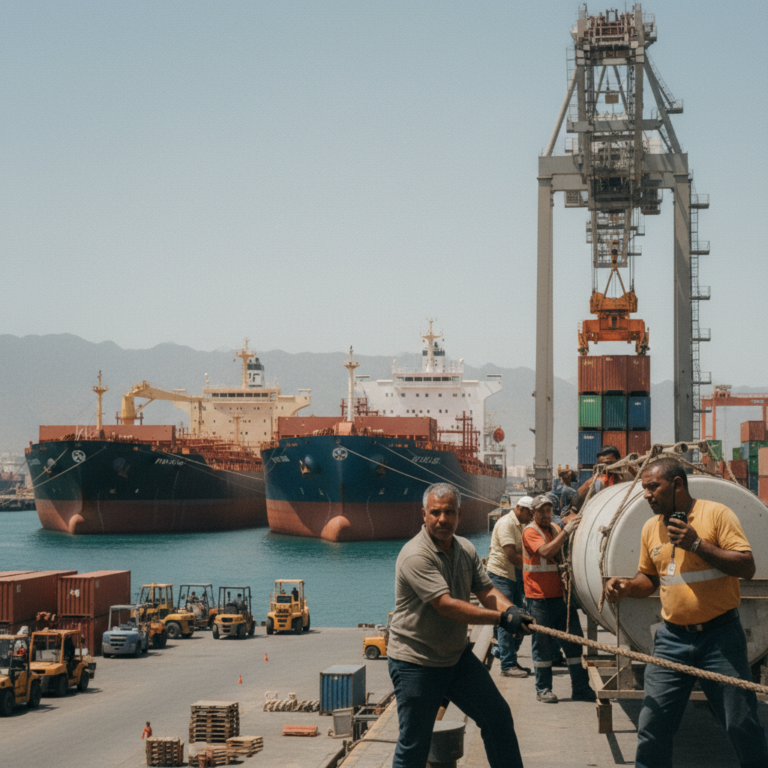
The Strait of Hormuz Chokehold remains one of the most critical maritime passages globally, directly impacting global energy security and contributing significantly to Middle East Tensions. This narrow waterway connects the Persian Gulf to the open ocean, serving as the transit point for a substantial portion of the world’s seaborne oil and liquefied natural gas (LNG). Its importance is paramount because any disruption to shipping through the Strait would have immediate and severe consequences for global energy markets, consequently driving up oil prices and destabilizing economies worldwide. U.S. policy on global energy security consistently emphasizes the importance of the Strait of Hormuz, as detailed by the U.S. Department of State (U.S. Department of State).
Iran’s repeated threats to close the Strait of Hormuz are a direct result of geopolitical pressures, particularly in response to international sanctions or military provocations. These threats, while often rhetorical, underscore the vulnerability of global oil supply chains. The global oil market impact of such an event would be catastrophic, given that approximately 20% of the world’s petroleum liquids consumption transits through this strait daily. This means that even the credible threat of closure can cause market volatility, leading to higher insurance premiums for shipping and increased operational costs.
The sheer volume of Strait of Hormuz oil transit volume makes it a strategic flashpoint. Major powers, including the United States, maintain a significant naval presence in the region to ensure freedom of navigation, which means any incident in the Strait carries the risk of rapid escalation. The interplay between Iran’s strategic interests and global energy demands creates a constant state of heightened alert, directly influencing diplomatic efforts and military postures in the region. Maintaining open and secure passage through this chokehold is, therefore, a top priority for international security and economic stability.
Strait of Hormuz: Key Global Energy Transit Data (Approximate)
| Resource | Daily Transit Volume (Approximate) | Global Share |
|---|---|---|
| Crude Oil & Condensate | 17-20 million barrels | 20-21% |
| LNG | 3.5 billion cubic feet | 25-30% |
| Other Refined Products | Significant volumes | Not stated |
US and International Strategy Amidst Rising Middle East Tensions
The rising Middle East Tensions necessitate a multifaceted US Middle East Strategy that balances diplomatic engagement with robust security postures. The United States’ approach is primarily driven by its interests in regional stability, counter-terrorism, and ensuring the free flow of global commerce, particularly energy resources. This strategy involves maintaining military deterrence, supporting key regional allies, and engaging in extensive diplomatic efforts aimed at de-escalation. The continuous engagement with partners is crucial because it helps to build a united front against destabilizing actors and influences. Official U.S. foreign policy statements and diplomatic initiatives regarding Middle East conflicts and regional security are provided by the U.S. Department of State (U.S. Department of State).
Diplomatic efforts in the Middle East are paramount, with the US often spearheading initiatives to mediate conflicts and foster dialogue. These efforts frequently involve multilateral platforms and direct negotiations, aiming to address the root causes of instability. The UN’s role in Middle East conflict resolution remains vital, providing frameworks for ceasefire negotiations, humanitarian aid coordination, and peacekeeping missions. However, the complexity of regional rivalries and the diverse interests of international actors often complicate these diplomatic pathways, therefore requiring persistent and adaptable engagement.
US sanctions on Iran, for instance, are a key component of its strategy, designed to curb Iran’s nuclear program and its support for proxy groups. The impact of these sanctions is significant, affecting Iran’s economy and its ability to fund military operations, which means they are a powerful tool of economic pressure. Simultaneously, the US maintains robust military alliances and deploys forces to the region, ensuring its capacity to respond to threats and protect strategic assets. This dual approach of pressure and diplomacy is a constant balancing act, driven by the volatile nature of the region.
Key Pillars of US and International Strategy
- Maintaining military deterrence and regional security partnerships.
- Leading and supporting diplomatic initiatives for de-escalation.
- Implementing targeted sanctions to influence state behavior.
- Providing humanitarian aid and supporting conflict resolution through international bodies.
- Protecting strategic maritime routes and global energy supplies.
Houthi Attacks and Red Sea Dynamics: A Spreading Conflict
The Houthi Attacks Red Sea have introduced a new dimension to Middle East Tensions, transforming a regional conflict into a global maritime security challenge. These attacks, primarily targeting commercial shipping in the Red Sea and the Bab al-Mandab Strait, are a direct consequence of the ongoing conflict in Yemen and the broader Iran-backed network. The Houthis’ use of drones and anti-ship missiles against international vessels has caused significant disruptions to global trade routes, consequently forcing many shipping companies to re-route via the longer, more expensive Cape of Good Hope. Information related to national security, critical infrastructure protection, and maritime security in the context of global shipping lanes like the Red Sea is often found in U.S. Department of Homeland Security reports (U.S. Department of Homeland Security).
Red Sea shipping disruptions have immediate economic consequences, increasing transit times and freight costs for goods moving between Asia and Europe. This directly impacts global supply chains, which means consumers worldwide ultimately face higher prices for various products. The international response has included the formation of multinational naval coalitions aimed at protecting maritime security in the Persian Gulf and adjacent waters. However, these defensive measures have not entirely deterred the attacks, driven by the Houthis’ strategic objectives and their perceived leverage in the broader regional conflict. The spreading conflict dynamics in the Red Sea highlight the interconnectedness of regional flashpoints, as a result demanding a coordinated international security response.
The Iran-Israel Proxy Conflict: Escalation and Regional Alliances
The Iran Israel Proxy Conflict is a central axis of Middle East Tensions, characterized by indirect confrontations and strategic maneuvering across the region. This conflict is driven by fundamental ideological differences, geopolitical ambitions, and concerns over regional hegemony. Iran leverages its network of proxy groups, including Hezbollah and various militias in Syria and Iraq, to challenge Israeli security and project its influence. Conversely, Israel conducts targeted operations to degrade these capabilities and prevent Iran from establishing a direct military presence near its borders.
Escalation patterns in this proxy conflict often involve retaliatory strikes, cyberattacks, and covert operations, which means a direct military confrontation is typically avoided but the risk remains high. The dynamic significantly influences regional alliances, compelling states to choose sides or seek new security partnerships. The Abraham Accords, for instance, reflect a realignment of some Arab states with Israel, driven by shared concerns over Iran’s regional assertiveness. This shift in regional alliances in the Middle East creates a complex web of security agreements and rivalries, consequently making any comprehensive peace agreement more challenging to achieve. The proxy conflict’s persistence underscores the deep-seated mistrust and strategic competition that define the Middle East geopolitical landscape.
Key Actors and Stances in the Iran-Israel Proxy Conflict
| Actor | Primary Proxies/Allies | Strategic Goals |
|---|---|---|
| Iran | Hezbollah, Hamas, Iraqi militias, Houthis | Regional hegemony, deter Israel, resist US influence |
| Israel | US, some Gulf Arab states | Security, counter Iran’s regional influence |
| Saudi Arabia (Context) | Gulf Cooperation Council (GCC) | Regional stability, counter Iran, economic diversification |
Economic Consequences of Middle East Tensions on Global Markets
The escalating Middle East Tensions have significant Economic Consequences Regional Conflict that reverberate across global markets. The most immediate and pronounced impact is on the global oil market, where any perceived threat to supply, particularly from the Persian Gulf, causes rising oil prices. This volatility directly translates into higher energy costs for consumers and businesses worldwide, consequently fueling inflation and potentially slowing economic growth. The interconnectedness of global energy markets means that even localized disruptions can have far-reaching effects.
Beyond oil, the impact on global supply chains is substantial. Disruptions to vital shipping lanes, such as those caused by Houthi attacks in the Red Sea, increase transit times and freight insurance costs. This means that manufacturing and retail sectors face increased operational expenses and delays, ultimately affecting product availability and pricing. Investor confidence also takes a hit during periods of heightened instability, leading to capital flight from emerging markets and a preference for safer assets. This causes a slowdown in foreign direct investment into the region, further hindering economic development. Official U.S. economic statistics, including those relevant to the global oil market impact of regional conflicts, are published by the U.S. Department of the Treasury (U.S. Department of the Treasury (FiscalData)).
The long-term economic consequences include reduced trade, decreased tourism, and a diversion of national resources towards military spending rather than economic development. This creates a cycle of underinvestment and instability, which means the region struggles to achieve sustainable economic growth. The cumulative effect of these tensions is a less predictable and more costly global economic environment, driven by geopolitical risk.
Global Economic Impacts of Middle East Tensions
- Increased global oil prices and energy costs.
- Disruptions to international shipping and supply chains.
- Higher freight and insurance costs for maritime trade.
- Decreased investor confidence and capital flight.
- Inflationary pressures on consumer goods.
- Diversion of regional resources from development to defense.
Future Outlook: Pathways to De-escalation and Long-Term Stability
The future outlook for the Middle East, amidst persistent Middle East Tensions, presents both formidable challenges and potential pathways to de-escalation and long-term stability. Achieving regional stability in the Middle East will require a concerted and sustained diplomatic effort from both regional and international actors. One critical factor is the resolution of the Gaza stalemate, with discussions around the Future of Gaza Strip focusing on reconstruction, governance, and humanitarian access. A viable two-state solution remains a key objective, but achieving it demands significant political will and compromise from all parties. Comprehensive information on U.S. engagement and diplomatic efforts across the broader Middle East region, particularly regarding future outlook and regional stability, is available from the U.S. Department of State’s Bureau of Near Eastern Affairs (U.S. Department of State).
Diplomatic efforts in the Middle East must prioritize de-escalation mechanisms, including direct dialogue channels between rival powers like Saudi Arabia and Iran. Reducing the proliferation of advanced weaponry and curbing support for proxy groups are essential steps because they directly mitigate the risk of wider conflicts. International cooperation on maritime security in critical choke points like the Strait of Hormuz is also vital, which means multilateral naval patrols and agreements on safe passage are necessary to prevent disruptions to global trade.
Long-term Middle East stability hinges on addressing the root causes of conflict, including economic disparities, governance deficits, and the unmet aspirations of populations. Investing in sustainable development, fostering inclusive political processes, and promoting regional economic integration can create shared interests that transcend existing rivalries. While the current environment is volatile, the potential for incremental progress through persistent diplomacy and strategic cooperation offers a glimmer of hope for a more secure and prosperous future for the region, driven by a collective commitment to peace.
FAQ
What defines Iran’s ‘offensive’ military shift?
Iran’s ‘offensive’ military shift is characterized by a move from purely defensive strategies to more proactive and asymmetric power projection. This includes enhancing missile and drone capabilities, strengthening regional proxy networks, and developing cyber warfare capacities. This shift is driven by a desire to deter perceived threats and expand its influence, consequently altering the regional balance of power. It allows Iran to engage in conflicts indirectly, affecting maritime security and regional stability.
How does the Gaza stalemate contribute to broader Middle East tensions?
The Gaza stalemate significantly contributes to broader Middle East tensions by perpetuating a severe humanitarian crisis and fueling regional instability. The ongoing blockade and cycles of conflict exacerbate suffering, which means it undermines efforts for peace and empowers extremist narratives. This directly impacts the future of Palestinian governance and strains relations between neighboring states, therefore complicating diplomatic initiatives and hindering the prospect of a lasting resolution to the Israeli-Palestinian conflict.
Why is the Strait of Hormuz considered a critical ‘chokehold’ for global energy?
The Strait of Hormuz is considered a critical ‘chokehold’ for global energy because a substantial portion of the world’s seaborne oil and liquefied natural gas (LNG) transits through this narrow waterway daily. Any disruption, whether from conflict or political action, would have immediate and severe consequences for global energy markets, consequently causing oil prices to spike and destabilizing economies worldwide. Its strategic importance makes it a constant flashpoint in Middle East Tensions.
What are the latest diplomatic efforts addressing the Middle East crisis?
Latest diplomatic efforts addressing the Middle East crisis include ongoing ceasefire negotiations for Gaza, multilateral talks aimed at de-escalating regional proxy conflicts, and discussions to revive broader peace processes. These efforts are driven by international concern over escalating Middle East Tensions and their global impact. They often involve mediation by the United Nations, the United States, and regional powers, aiming to foster dialogue and find political solutions to complex, interconnected conflicts.
What is the economic impact of ongoing Middle East instability on global markets?
Ongoing Middle East instability has significant economic impacts on global markets, primarily through rising oil prices and disruptions to global supply chains. Threats to key shipping routes, like the Red Sea, increase freight costs and transit times, consequently driving up inflation. Investor confidence is also negatively affected, leading to capital flight and reduced foreign direct investment. This means that geopolitical risks in the Middle East directly translate into higher costs and greater uncertainty for the global economy.
How do Houthi attacks in the Red Sea relate to regional Middle East tensions?
Houthi attacks in the Red Sea are a direct manifestation of regional Middle East tensions, particularly the Iran-backed proxy conflicts. These attacks, targeting international shipping, are driven by the Houthis’ strategic objectives in Yemen and their alignment with Iran’s broader regional agenda. This means the Red Sea has become a new front, escalating maritime insecurity and forcing international naval responses. Consequently, these attacks exacerbate existing geopolitical rivalries and directly impact global trade and energy security.
What role does the US play in managing current Middle East conflicts?
The US plays a multifaceted role in managing current Middle East conflicts, driven by interests in regional stability, counter-terrorism, and global energy security. This involves maintaining a military presence for deterrence, engaging in extensive diplomatic efforts for de-escalation, and implementing targeted sanctions against destabilizing actors. The US also supports regional allies and facilitates humanitarian aid, which means its strategy balances pressure with diplomacy to navigate the complex landscape of Middle East Tensions.
What are the key players and their positions in the Iran-Israel proxy conflict?
The key players in the Iran-Israel proxy conflict are Iran and Israel, each leveraging regional allies and proxy groups. Iran supports groups like Hezbollah, Hamas, and various militias in Syria and Iraq, aiming to project influence and challenge Israeli security. Israel, conversely, conducts operations to counter these threats and prevent Iranian military entrenchment. This means the conflict is largely fought indirectly across various regional fronts, driven by deep-seated ideological and geopolitical rivalries that fuel Middle East Tensions.
What are the potential long-term scenarios for peace and stability in Gaza?
Potential long-term scenarios for peace and stability in Gaza involve a combination of sustained humanitarian aid, robust reconstruction efforts, and a viable political framework. This could include international oversight, a revitalized Palestinian Authority, or a new governance model. Achieving stability is contingent on a lasting ceasefire, addressing the root causes of conflict, and ensuring the security and well-being of all populations. This means that international diplomatic efforts and regional cooperation are crucial for establishing a durable peace, consequently reducing Middle East Tensions.
How does Iran’s nuclear program influence its ‘offensive’ shift and regional dynamics?
Iran’s nuclear program significantly influences its ‘offensive’ shift and regional dynamics by providing strategic leverage and enhancing its perceived power. Progress in uranium enrichment, for example, strengthens Iran’s bargaining position in international negotiations, consequently affecting diplomatic efforts. This means its nuclear capabilities contribute to its assertiveness and deter potential adversaries, directly impacting regional alliances and the strategic calculations of other Middle Eastern states. The program is a core element of Iran’s broader strategy amidst Middle East Tensions.
Limitations and Alternative Perspectives on Middle East Tensions
While this analysis provides a comprehensive overview of current Middle East Tensions, it is crucial to acknowledge the inherent complexities and potential limitations. The region’s dynamics are influenced by a multitude of historical, cultural, and socio-economic factors that extend beyond the scope of this focused analysis. For instance, while we highlight Iran’s military shift, other internal political struggles and economic pressures within Iran also significantly shape its foreign policy, which means a singular focus on military doctrine might oversimplify its motivations.
Alternative perspectives suggest that the emphasis on state-level actors might overshadow the influence of non-state actors and popular movements, which also play a crucial role in shaping regional instability. Furthermore, solutions proposed, such as diplomatic efforts, face deeply entrenched mistrust and conflicting national interests, therefore making rapid progress challenging. The long-term implications of climate change and demographic shifts on resource scarcity and migration also represent emerging factors that will increasingly contribute to future Middle East Tensions, demanding a broader analytical framework for comprehensive understanding. This article primarily focuses on immediate geopolitical flashpoints, acknowledging that a deeper dive into these underlying factors would reveal additional layers of complexity.
Conclusion: Navigating a Volatile Future in the Middle East
The current landscape of Middle East Tensions is undeniably volatile, shaped by the interconnected dynamics of Iran’s ‘offensive’ military shift, the enduring Gaza stalemate, and the critical Strait of Hormuz chokehold. Each of these elements acts as a catalyst, consequently fueling regional instability and posing significant threats to global energy security and trade. Understanding these cause-and-effect relationships is paramount for comprehending the broader geopolitical shifts underway.
INQ Daily’s analysis underscores that the path forward requires sustained diplomatic engagement, robust international cooperation, and a nuanced understanding of the region’s complex historical and political contexts. While immediate de-escalation is a priority, long-term stability hinges on addressing the root causes of conflict and fostering inclusive solutions. The future of the Middle East, therefore, remains a critical focal point for international policy, demanding continuous, data-driven analysis to navigate its evolving challenges and mitigate the far-reaching consequences of its inherent tensions. For more daily reports and a curated news brief, visit INQ Daily.
References
- U.S. Department of State. Official U.S. foreign policy statements and diplomatic initiatives regarding Middle East conflicts and regional security, particularly on US Middle East Strategy and diplomatic efforts. (https://www.state.gov/)
- U.S. Department of Homeland Security. Information related to national security, critical infrastructure protection, and maritime security in the context of threats to global shipping lanes like the Strait of Hormuz and Red Sea. (https://www.dhs.gov/)
- U.S. Government Publishing Office (GovInfo). Primary source U.S. federal laws, regulations, and official reports that may outline sanctions policies against Iran or international agreements pertaining to the Middle East. (https://www.govinfo.gov/)
- U.S. Department of the Treasury (FiscalData). Official U.S. economic statistics and federal budget information, particularly when discussing the economic impact of sanctions on Iran or the global oil market impact of regional conflicts. (https://fiscaldata.treasury.gov/)
- U.S. Department of State. Specific details on U.S. policy towards Iran, including statements on Iran’s nuclear program status and its regional activities, supporting the analysis of Iran’s offensive shift. (https://www.state.gov/policy-issues/iran/)
- U.S. Department of State. Official U.S. positions and diplomatic efforts related to the Israeli-Palestinian conflict, including the Gaza stalemate and its broader implications. (https://www.state.gov/countries-areas/israel-palestinian-affairs/)
- U.S. Department of State. U.S. policy on global energy security, directly relevant to the importance of the Strait of Hormuz chokehold and its impact on global oil markets. (https://www.state.gov/policy-issues/energy-security/)
- U.S. Department of State. Comprehensive information on U.S. engagement and diplomatic efforts across the broader Middle East region, particularly regarding future outlook and regional stability. (https://www.state.gov/bureaus-offices/bureaus-and-offices-reporting-directly-to-the-secretary/bureau-of-near-eastern-affairs/)
About the Author