In an era of constant headlines and complex global events, understanding the precise meaning of an international conflict is more critical than ever. The term is often used loosely, but its true definition has significant legal, political, and humanitarian implications. This guide provides an authoritative and clear answer, moving beyond simple explanations to offer a comprehensive framework. We will explore the core definition of international conflict, clarify the crucial distinctions between different types of disputes, examine their causes and resolutions, and analyze recent, real-world examples from 2025. Our goal is to equip you with the knowledge to accurately interpret world events and understand the forces that shape them.
The Definition and Core Concepts of International Conflict
To truly grasp global events, we must begin with a solid foundation. The definition of an international conflict isn't just academic; it's a legal and political distinction that determines how the world responds to hostility. It hinges on the fundamental principles that govern relations between states.
What is an International Conflict? The Core Definition
According to the International Committee of the Red Cross (ICRC), an international armed conflict (IAC) is defined as a resort to armed force between two or more states, regardless of a formal declaration of war or the intensity of the fighting. The meaning of an international conflict is therefore tied directly to the actors involved. If the armed forces of one nation are engaged in combat with those of another, it meets the definition of an international armed conflict, regardless of the intensity or duration of the fighting. Defining international conflict this way is crucial because it triggers a specific set of legal protections for civilians, prisoners of war, and the wounded.
The Bedrock of Global Order: Understanding State Sovereignty
Understanding international conflict is impossible without grasping the sovereignty definition. Sovereignty is the principle that each state has exclusive authority and control over its territory, domestic affairs, and foreign policy, free from external interference. An international conflict is fundamentally a clash of sovereignties, where one state's actions or claims infringe upon another's, leading to armed confrontation. This concept is the cornerstone of the international system and the primary reason why conflicts between nations are treated differently than those within them.
Types of Conflicts and Their Key Distinctions
Not all conflicts are created equal. Categorizing them allows for a more nuanced understanding of their nature and the appropriate mechanisms for resolution. The most critical distinction is whether a conflict crosses international borders.
A Framework for Categorization: Types of International Conflicts
While each conflict is unique, the main types of international conflicts can be broadly categorized based on their goals and methods:
| Conflict Type | Description |
|---|---|
| Interstate Wars | Traditional conflicts fought between the national armed forces of two or more states, often over territory, resources, or conquest. |
| Proxy Wars | Major powers support opposing sides in another conflict, competing for influence without direct, large-scale confrontation. |
| Interventionist Conflicts | One or more foreign states intervene in another country's internal conflict, effectively making it an international one. |
International vs. Domestic Conflict: A Critical Distinction
The difference between international vs domestic conflict is the most important distinction in this field. This table breaks down the key differences:
| Distinction | International Conflict | Domestic (Non-International) Conflict |
|---|---|---|
| Actors Involved | Two or more sovereign states. | A state versus one or more organized non-state armed groups within its territory. |
| Legal Status of Captives | Entitled to Prisoner of War (POW) status. | Considered detainees under domestic law, without POW status. |
| Governing Law | Governed by the full scope of International Humanitarian Law (IHL). | Governed by a more limited set of IHL rules, alongside domestic law. |
A Note on Other Forms of Disagreement
To clarify the scope, it's useful to distinguish international conflict from interpersonal conflict—disagreements between individuals. While both share elements like competing interests and require resolution, our focus remains strictly on the large-scale disputes between sovereign states.
The Lifecycle of a Conflict: Causes, Resolution, and Modern Examples
Every conflict has a beginning, a middle, and an end. Understanding this lifecycle is key to analyzing current events and anticipating future developments.
The Root Causes of International Conflicts
There is rarely a single reason for war. The primary causes of international conflicts are often a complex web of interconnected factors. What causes these disputes can typically be traced back to one or more of the following:
* Territorial Disputes: Disagreements over borders or control of specific lands.
* Economic Competition: Conflicts over vital resources like oil, water, or valuable minerals.
* Ideological Differences: Clashes between opposing political or religious belief systems.
* Nationalism and Ethnic Tensions: The desire for self-determination by an ethnic group or historical grievances between nations.
* Power Imbalances: A rising power challenging an established one, or a state acting aggressively due to perceived weakness in a neighbor.
Pathways to Peace: How International Conflicts Are Resolved
Just as conflicts have many causes, the methods for their conclusion are varied. The question of how international conflicts are resolved involves a spectrum of approaches. Key resolution methods include:
* Diplomacy and Negotiation: Direct talks between the warring parties, often facilitated by a neutral third country or international organization like the United Nations.
* Mediation and Arbitration: A neutral third party helps facilitate a resolution or, in the case of arbitration, makes a binding decision.
* Economic Sanctions: Applying financial and trade pressure to compel a state to change its behavior.
* Peacekeeping Operations: The deployment of international forces to monitor ceasefires and create a buffer between combatants.
* Military Settlement: One side achieves a decisive victory, effectively ending the conflict through force.
Recent and Ongoing Examples of International Conflict
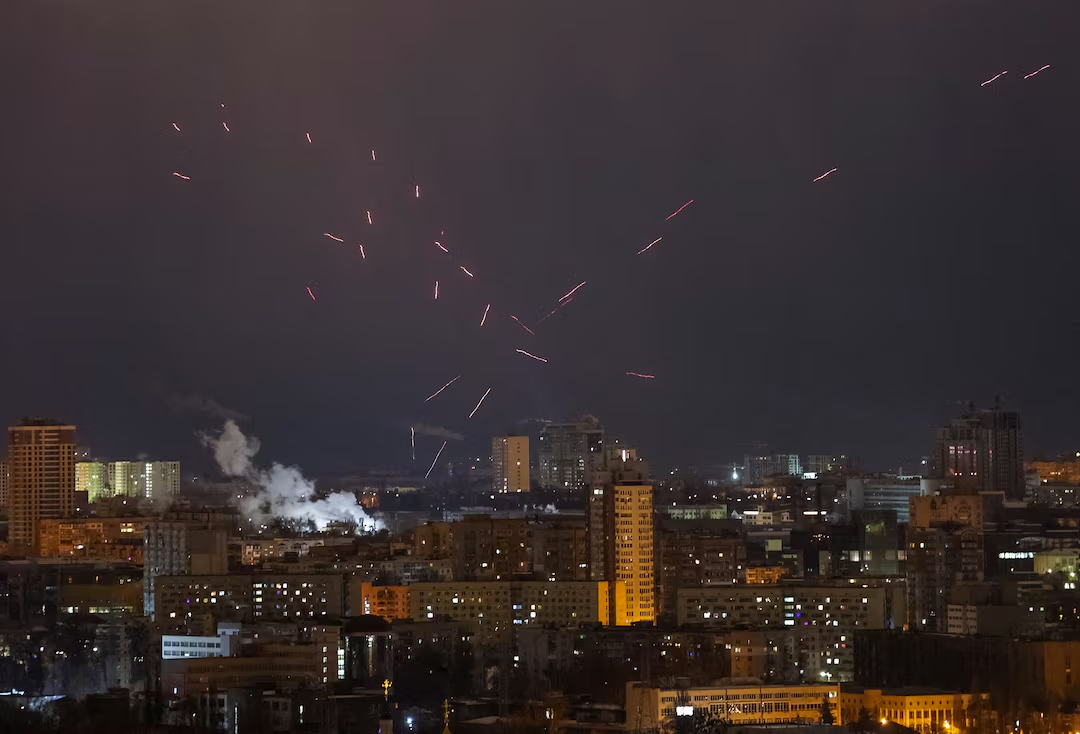
Theory is best understood through practice. Examining examples of recent international conflicts provides a clear picture of how these principles apply in the real world. As of the current year, several situations illustrate these dynamics. For instance, ongoing border tensions in certain regions, disputes over maritime resources, and proxy engagements in various civil wars are all active conflict examples. Answering questions like 'how many wars are going on right now' can be complex, as it depends on the definition of 'war'. The Council on Foreign Relations' Global Conflict Tracker is a recognized resource for monitoring ongoing conflicts and global current events.
Frequently Asked Questions
What is the legal definition of an international armed conflict?
Legally, under the Geneva Conventions of 1949, an international armed conflict is defined as any dispute between two or more States which leads to the use of armed force. This definition applies even if the state of war is not officially recognized by one of the parties and covers all cases of partial or total occupation of a State's territory.
What are the 4 main types of conflict?
In the study of conflict, the four main types are generally considered to be:
1. International Conflict: Between two or more sovereign states.
2. Internal/Domestic Conflict: Between a state and an organized non-state group within its borders (e.g., a civil war).
3. Interpersonal Conflict: Between two individuals.
4. Intrapersonal Conflict: A struggle within a person's own mind.
How many countries are at war right now in 2025?
The exact number is difficult to state definitively as it depends on the definition of 'war' (e.g., declared wars vs. armed conflicts with over 1,000 battle deaths). However, according to major conflict monitoring organizations, there are dozens of active armed conflicts around the world, though the number of traditional interstate wars is relatively low. Most modern conflicts are civil wars with significant international involvement.